

Team culture in kids martial arts plays a major role in a child’s experience, confidence, and long-term development. When parents evaluate a kids martial arts program, they often focus on factors like schedules, instructors, facilities, and curriculum.
Those elements matter. But there is another factor that can have an equally important impact on a child’s experience and long-term development: team culture.
The environment surrounding training influences how children learn, build confidence, respond to challenges, and interact with others.
At AKXE Academy in Agoura Hills, team culture is considered a fundamental part of a child’s growth both on and off the mat.
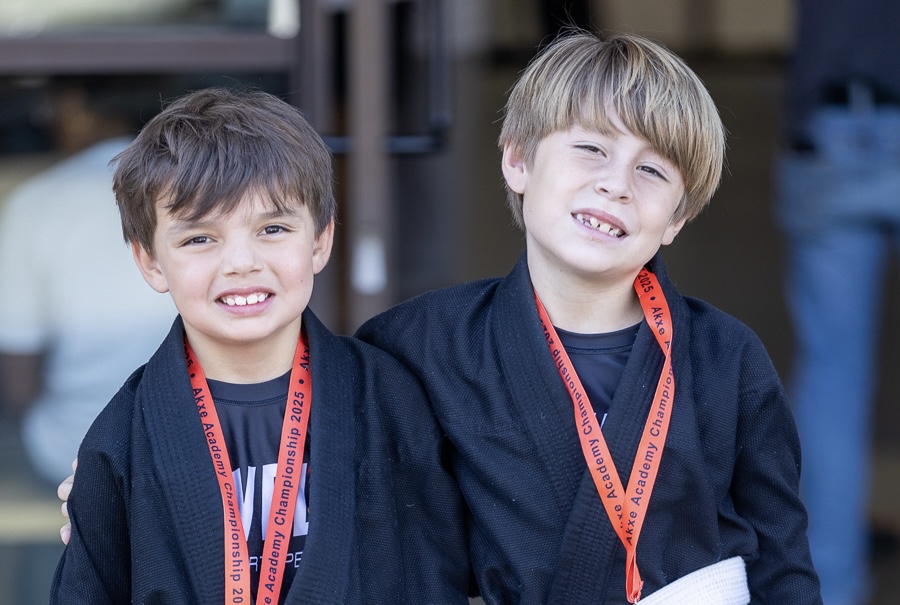
1. Team Culture Shapes the Learning Experience
Children learn more effectively when they feel supported and comfortable in their environment.
A positive team culture helps kids:
- Feel welcome from the beginning
- Ask questions without fear
- Stay engaged during training
- Enjoy the learning process
When children feel connected to the environment around them, they are more likely to remain consistent and continue improving.
2. The Right Culture Builds Confidence
Confidence develops through experience, but environment plays a major role in how those experiences are interpreted.
In a supportive team culture, children learn that:
- Mistakes are part of learning
- Progress takes time
- Effort is valued
- Challenges can be overcome
This creates confidence based on growth and experience rather than comparison with others.
3. Respect Is Reinforced Every Day
One of the most valuable aspects of martial arts is the emphasis on respect.
A strong team culture encourages children to:
- Listen to instructors
- Respect training partners
- Follow structure and expectations
- Treat others with kindness and consideration
Over time, these behaviors often carry into school, family life, and social situations.
4. Positive Training Partners Matter
Children spend a significant amount of time interacting with their training partners.
A healthy team environment promotes:
- Cooperation instead of competition
- Encouragement instead of criticism
- Learning instead of showing off
When students support one another, training becomes more enjoyable and productive for everyone involved.
5. Team Culture Helps Kids Handle Challenges
Every child encounters difficulties while learning new skills.
A positive culture helps children understand that:
- Struggling is normal
- Improvement takes patience
- Setbacks are temporary
- Consistency leads to progress
This mindset helps children develop resilience and emotional maturity over time.
6. A Sense of Belonging Encourages Consistency
Children are more likely to stay involved in activities where they feel connected.
A strong team culture creates:
- Positive friendships
- Encouragement from peers
- Support from instructors
- A sense of belonging
These connections often become one of the biggest reasons children continue training long-term.
7. The Benefits Extend Beyond Martial Arts
The lessons children learn from a healthy team culture often influence other areas of life.
Parents frequently notice improvements in:
- Communication skills
- Confidence
- Respect for others
- Responsibility
- Emotional control
These benefits continue long after class ends.
More Than Just Training
At AKXE Academy in Agoura Hills, team culture in kids martial arts is considered a fundamental part of helping children grow with confidence, discipline, and resilience.
It is about creating an environment where children feel supported, challenged, and encouraged to grow.
Because while instruction is important, the culture surrounding that instruction often has the greatest impact on a child’s experience.
And when children train in the right environment, the lessons they learn extend far beyond the mat.

Leave A Comment