

Team culture in jiu-jitsu plays a major role in how students learn, develop confidence, and stay consistent over time.
When people choose a Brazilian Jiu-Jitsu academy, they often focus on schedules, instructors, or facilities. While those factors are important, the environment surrounding training can have an even greater impact on a student’s long-term experience and success.
At AKXE Academy in Agoura Hills, team culture is not an afterthought. It is one of the foundations of the academy and a key part of helping students grow both on and off the mat.
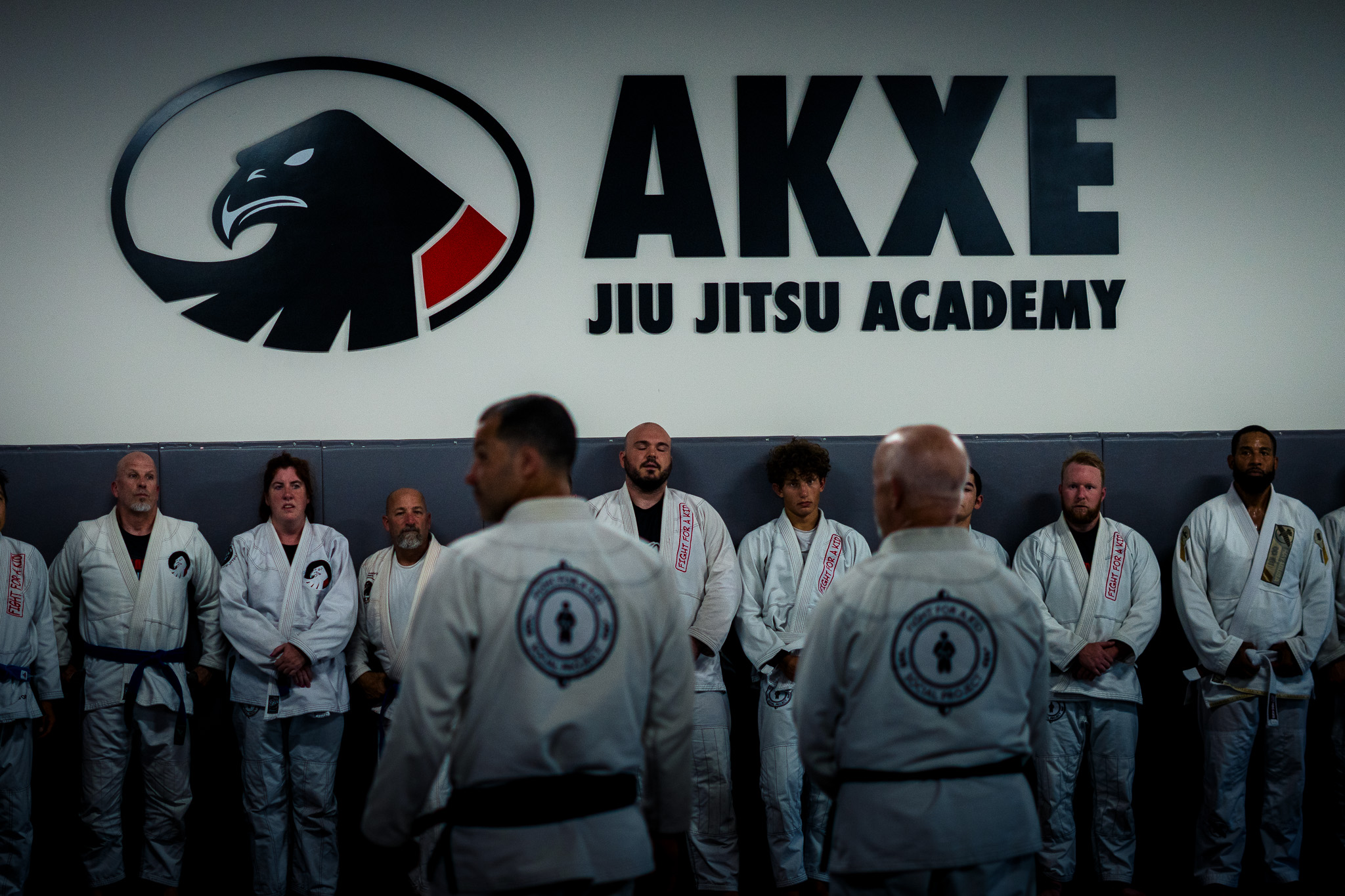
1. Culture Shapes the Training Experience
Every academy has a culture, whether intentional or not.
That culture influences:
- How students interact with each other
- How beginners are welcomed
- How challenges are handled
- How progress is viewed
In a positive environment, students feel comfortable learning, asking questions, and developing at their own pace.
A strong culture makes training more enjoyable and more sustainable over time.
2. Beginners Need Support to Succeed
Starting Jiu-Jitsu can be intimidating.
New students often feel:
- Overwhelmed by new techniques
- Uncertain about their progress
- Nervous about sparring
- Out of place around more experienced practitioners
A healthy team culture helps remove those barriers.
When experienced students are supportive and respectful, beginners gain confidence more quickly and are far more likely to continue training.
3. Respect Creates Better Training
Brazilian Jiu-Jitsu is built on cooperation.
Even during competitive rounds, students rely on each other to learn and improve safely.
A strong culture encourages:
- Respect for instructors
- Respect for training partners
- Control during sparring
- Professional behavior on and off the mat
This creates an environment where students can focus on learning rather than proving themselves.
4. Team Culture Encourages Consistency
Many people start Jiu-Jitsu.
Far fewer stay long enough to experience its full benefits.
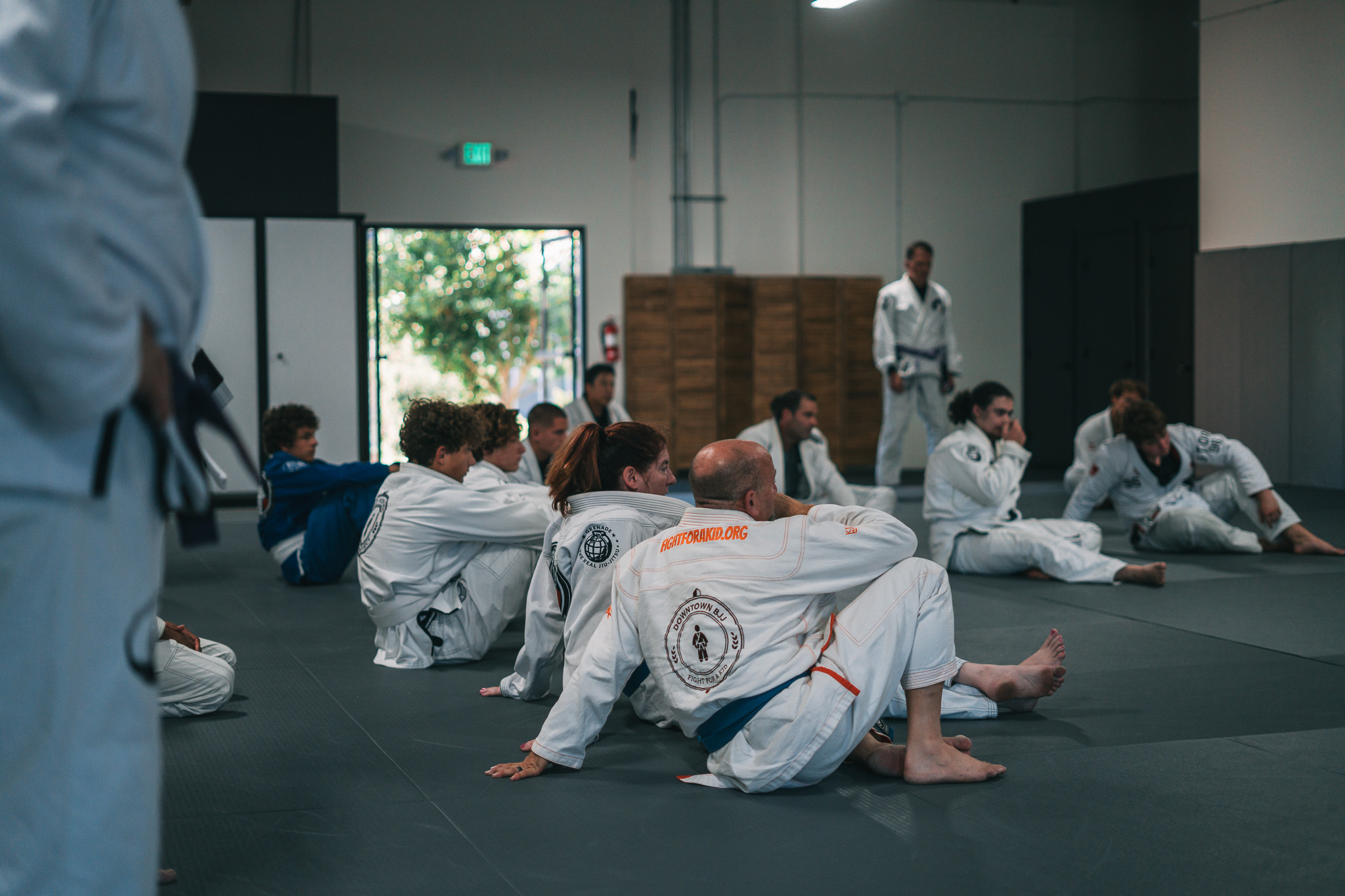
One reason students remain consistent is because they feel connected to the people around them.
A positive team culture in Jiu-Jitsu creates:
- Accountability
- Encouragement
- Motivation during difficult periods
- A sense of belonging
Students who enjoy the environment are more likely to keep showing up, even when progress feels slow.
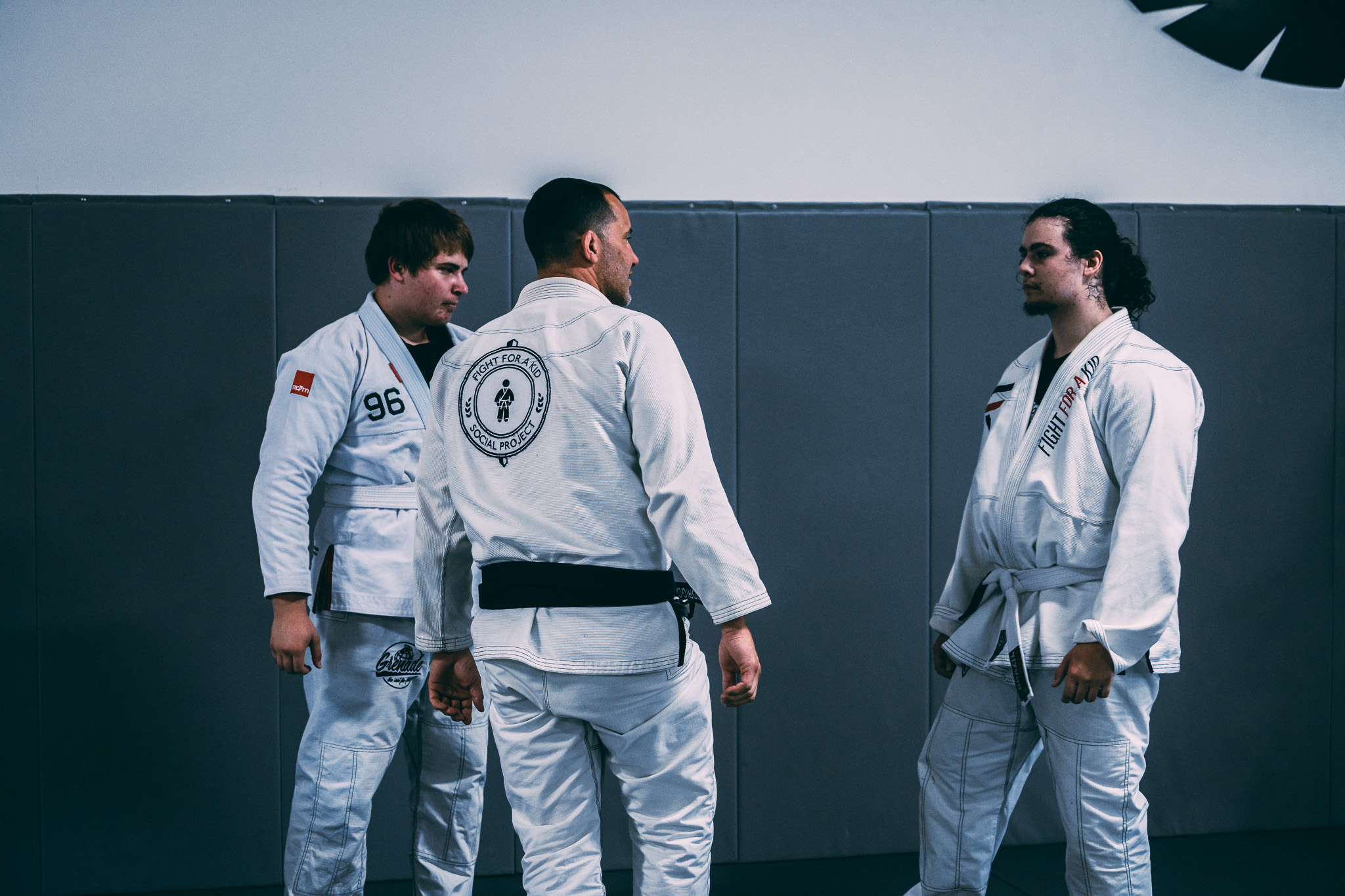
5. Growth Happens Faster in the Right Environment
Learning is easier when students feel supported.
In a strong team culture:
- Mistakes are viewed as part of the process
- Questions are encouraged
- Progress is celebrated
- Improvement matters more than ego
This allows students to focus on development instead of comparison.
Over time, that mindset leads to better learning and greater confidence.
6. The Impact of Team Culture Beyond the Mat
The lessons learned through team culture often extend beyond training.
Students develop:
- Better communication skills
- Greater respect for others
- Increased resilience
- Stronger self-discipline
These qualities impact school, work, relationships, and everyday life.
That is why culture matters as much as technique.
7. A Team Helps You Through Challenges
Every student experiences setbacks.
There will be periods where:
- Progress feels slow
- Motivation decreases
- Training becomes difficult
A strong team culture provides support during those moments.
Training partners, instructors, and teammates help students stay focused on long-term growth rather than short-term frustration.
More Than a Place to Train
At AKXE Academy in Agoura Hills, team culture is a core part of the student experience.
The goal is not simply to teach Brazilian Jiu-Jitsu. It is to create an environment where students feel supported, challenged, and encouraged to grow.
Because techniques are important.
But the people you train with — and the culture that surrounds you — often make the biggest difference of all.

Leave A Comment