

For new students, stepping onto the mat for the first time can raise a lot of questions:
When can I spar? What are the rules? What’s expected of me?
At AKXE Academy, clear structure and safety are not optional — they are fundamental.
Brazilian Jiu-Jitsu is a close-contact martial art, and without proper etiquette and protocols, training can quickly become unsafe or unproductive.
This guide outlines the essential BJJ etiquette, sparring rules, and safety standards followed at AKXE Academy to ensure a professional and respectful training environment.
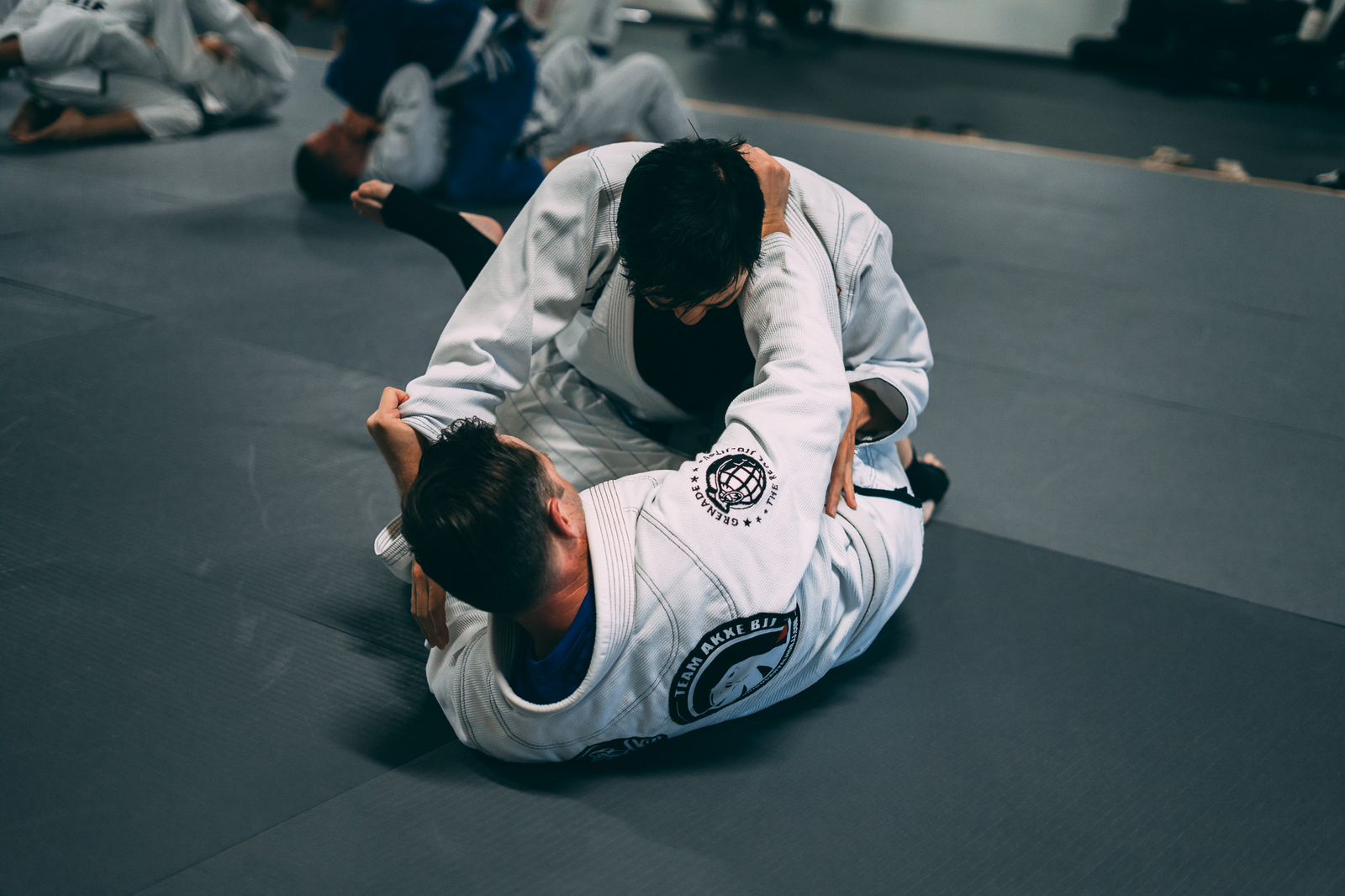
1. Respect Comes First — Always
Respect is the foundation of Brazilian Jiu-Jitsu culture.
At AKXE Academy, students are expected to:
- Treat instructors with attention and respect
- Train cooperatively with partners
- Maintain a positive and professional attitude
- Leave ego off the mat
A respectful environment allows everyone — from beginners to advanced students — to train safely and improve consistently.
2. When Can You Start Sparring?
One of the most common questions beginners ask is about sparring (rolling).
At AKXE Academy, safety comes first — especially for new students.
White belts are introduced to sparring progressively. Before participating in full rolling, students must:
- Learn basic positions and movements
- Understand how to tap and when to tap
- Demonstrate control and awareness
This structured approach reduces injury risk and builds confidence from the start.
3. Safe Sparring Practices
Rolling is one of the most valuable parts of Brazilian Jiu-Jitsu — but it must be done correctly.
At AKXE Academy, safe sparring includes:
- Controlled intensity (especially with beginners)
- Respecting training partners’ limits
- Avoiding reckless or explosive movements
- Prioritizing technique over strength
Students are encouraged to train smart, not aggressively.
This is a key reason why families and adults searching for safe sparring practices choose a structured academy environment.
4. Understanding the Tap
Tapping is one of the most important safety tools in Jiu-Jitsu.
Every student must understand:
- Tap early — not late
- Tap clearly (hand or verbal tap)
- Always respect your partner’s tap immediately
There is no ego in tapping. It is part of learning, growth, and injury prevention.
At AKXE Academy, this mindset is reinforced from day one.
5. Hygiene Is Part of Respect
Cleanliness is not just about appearance — it’s about safety and respect for others.
All students are expected to:
- Wear clean training gear
- Keep nails trimmed
- Avoid training when sick or with skin infections
- Remove jewelry before stepping on the mat
Maintaining hygiene is a core part of BJJ gym etiquette and helps protect everyone in the training environment.
6. Mat Awareness and Spatial Responsibility
Training space is shared — and awareness matters.
Students should:
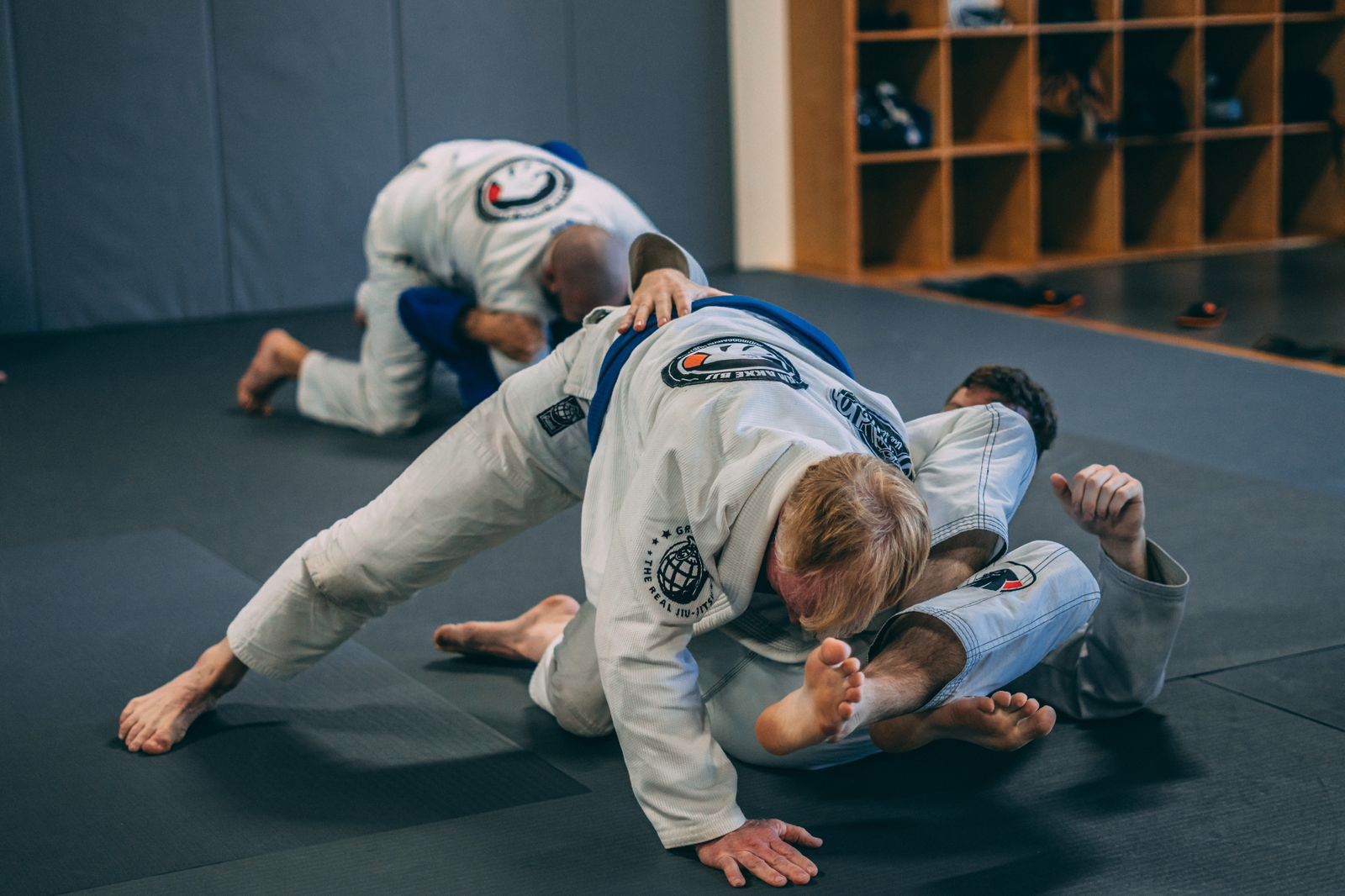
- Be aware of surrounding pairs while rolling
- Stop and reset if they move into another group
- Follow instructor guidance during crowded classes
This prevents unnecessary collisions and keeps training smooth and safe.
7. Leave Ego at the Door
One of the biggest risks in any martial arts gym is ego-driven training.
At AKXE Academy, students are encouraged to:
- Focus on learning, not “winning” rounds
- Train at an appropriate intensity
- Accept feedback from instructors
- Respect all belt levels
This creates an environment where everyone can improve without unnecessary risk.
8. A Professional Training Environment You Can Trust
Clear rules and expectations create a better experience for everyone.
At AKXE Academy, structured protocols ensure:
- Safer training sessions
- Faster technical development
- A more welcoming environment for beginners
- Long-term consistency for all students
For those searching for jiu jitsu classes, a well-organized academy is often the difference between short-term interest and long-term commitment.
Train Smart. Train Safe.
Brazilian Jiu-Jitsu is one of the most effective martial arts in the world — but its benefits depend on how it’s practiced.
At AKXE Academy in Agoura Hills, etiquette and safety are built into every class, creating an environment where students can train with confidence.
Whether you’re a beginner or experienced practitioner, understanding these rolling protocols is the first step toward a safer and more productive journey in Jiu-Jitsu.
Because real progress doesn’t come from training harder.
It comes from training smarter — and safer.

Leave A Comment