

Starting a martial art as an adult is a powerful decision.
It represents a desire to improve — physically, mentally, and personally. But understanding why adults quit martial arts is just as important as knowing why they start.
While many adults begin, far fewer stay consistent long enough to experience the real benefits.
The issue is rarely lack of ability.
More often, it comes down to expectations, environment, and how training fits into real life.
At AKXE Academy in Agoura Hills, adult programs are structured to address these challenges directly — helping students not just start, but stay.
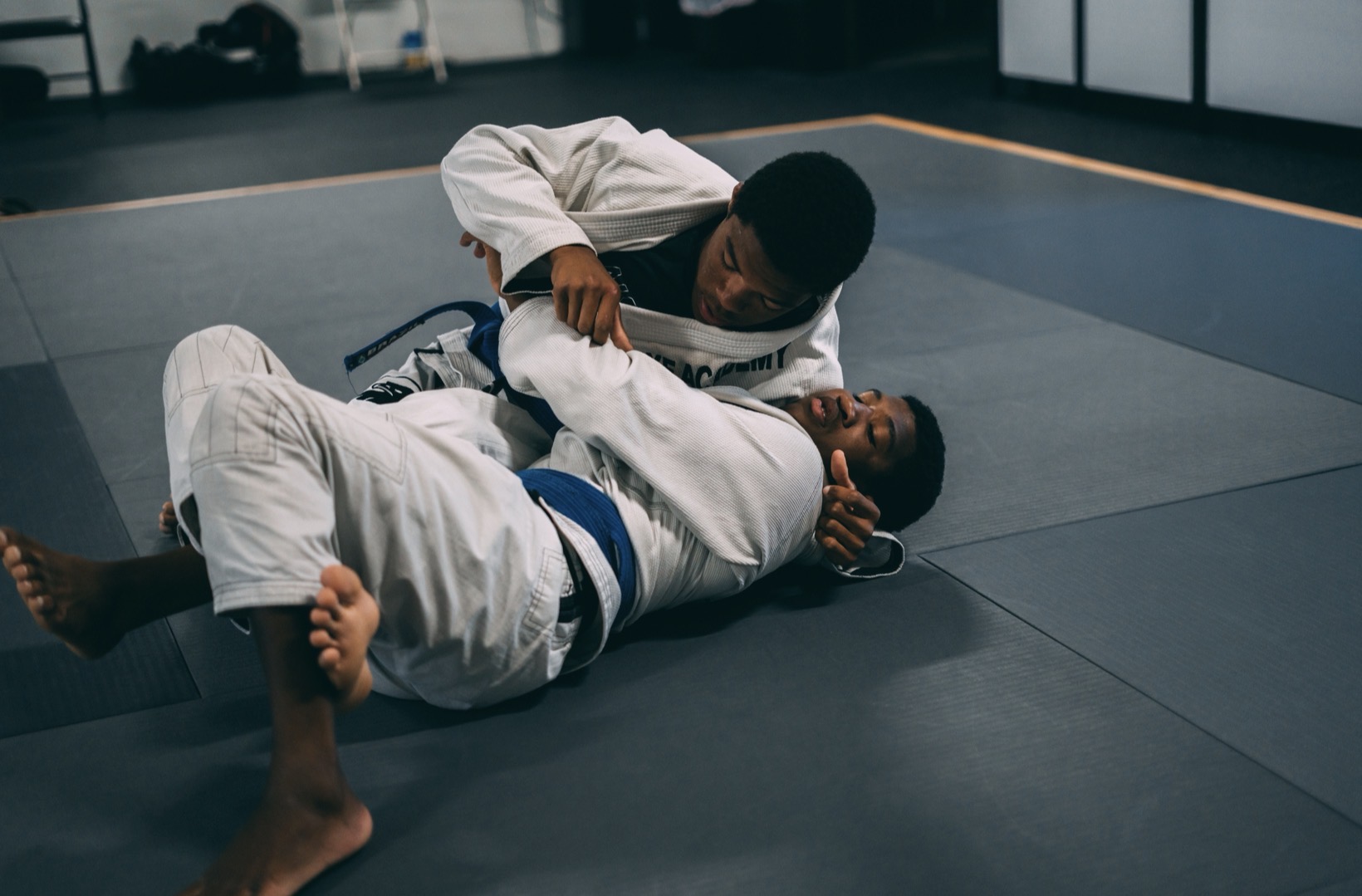
1. Unrealistic Expectations About Progress
One of the most common reasons adults quit is frustration with how long progress takes.
Many expect to:
- Understand techniques quickly
- Feel confident within a few classes
- See rapid physical transformation
But martial arts — especially Brazilian Jiu-Jitsu — are long-term disciplines.
Progress looks like:
- Small improvements over time
- Better positioning, not instant success
- Gradual understanding of timing and control
How to avoid it:
Shift your focus from fast results to consistent improvement. The students who stay are the ones who accept the process early.
2. Training Too Hard, Too Soon
Adults often try to compensate for being beginners by increasing intensity.
They:
- Go too hard in sparring
- Rely on strength instead of technique
- Ignore pacing and recovery
This leads to:
- Fatigue
- Injury
- Burnout
How to avoid it:
Train with control. Build consistency before intensity. Smart training leads to long-term progress.
3. Letting Ego Get in the Way
No one enjoys feeling like a beginner.
In martial arts, adults are often put in positions where they:
- Struggle
- Make mistakes
- Have to “start over”
For some, this creates discomfort that leads to quitting.
How to avoid it:
Detach from the need to perform. Focus on learning, not proving. Growth happens faster when ego is removed from the process.
4. Inconsistent Training Habits
Life gets busy.
Work, family, and responsibilities often interrupt training routines. Without structure, it becomes easy to:
- Skip sessions
- Lose momentum
- Feel like you’re falling behind
How to avoid it:
Treat training like a long-term commitment, not a short-term phase. Even 2–3 consistent sessions per week create real progress over time.
5. Choosing the Wrong Environment
Not all training environments are the same.
An unstructured or overly aggressive gym can lead to:
- Increased risk of injury
- Lack of direction
- Intimidation for beginners
Environment plays a major role in whether someone continues or quits.
How to avoid it:
Train in a structured, professional academy where:
- Safety is prioritized
- Instruction is clear
- Culture supports learning and respect
The right environment makes consistency easier.
6. Not Seeing the Bigger Picture
Some adults approach martial arts as a short-term challenge.
When results don’t come quickly, they lose motivation.
But martial arts are not designed for short-term gains.
They are built for:
- Long-term development
- Continuous learning
- Lifestyle integration
How to avoid it:
Understand that progress compounds over time. What feels slow today becomes significant months down the line.
7. Losing Motivation Without Community
Training alone is difficult.
Without connection, accountability, and support, it becomes easier to stop showing up.
A strong training environment provides:
- Positive relationships
- Encouragement
- A sense of belonging
How to avoid it:
Engage with the community. Build relationships with training partners. This often becomes the reason people stay long-term.
Staying Is the Real Challenge
Starting martial arts is easy.
Staying consistent is what creates real results.
Understanding why adults quit martial arts is the first step to avoiding it — and to building a training routine that actually lasts.
At AKXE Academy in Agoura Hills, adult students are supported through:
- Structured classes
- Professional instruction
- A respectful, welcoming culture
Because long-term progress doesn’t come from doing more.
It comes from continuing — even when it’s difficult.
And over time, those who stay don’t just improve their skills.
They experience a deeper transformation — physically, mentally, and personally.

Leave A Comment