

Starting Brazilian Jiu-Jitsu is exciting — but many students fall into common BJJ beginners mistakes that create the wrong expectations from the very beginning.
What beginners think Jiu-Jitsu is… and what it actually requires are often very different things.
These misunderstandings don’t just slow progress — they’re one of the main reasons people quit early.
At AKXE Academy in Agoura Hills, beginners are guided through a structured process designed to avoid these common mistakes and build real, long-term progress from day one.
1. Expecting Fast Results
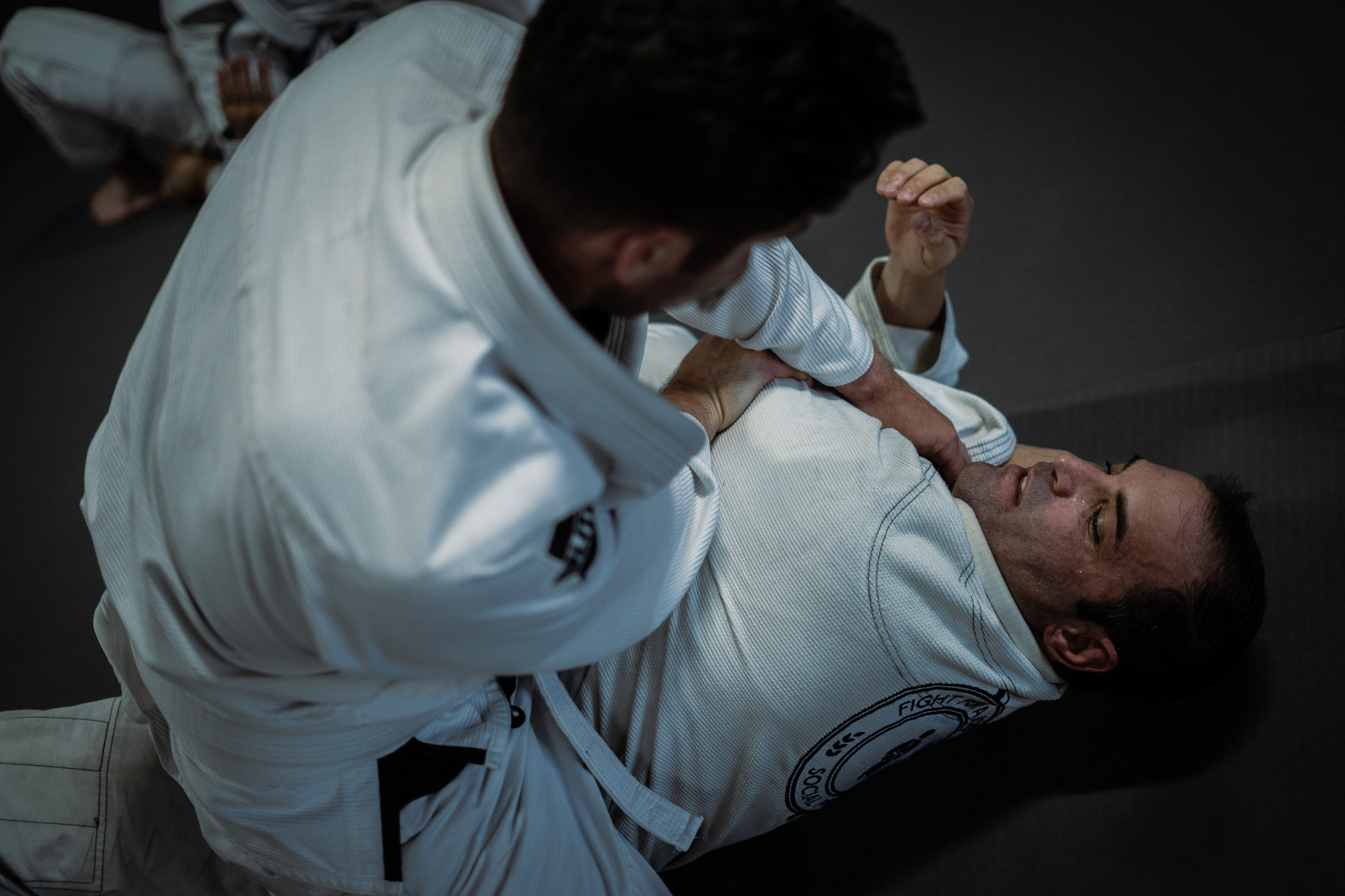
One of the biggest misconceptions is how quickly progress should happen.
Many beginners expect to:
- Understand techniques immediately
- “Win” rounds early
- Feel confident within a few classes
In reality, Brazilian Jiu-Jitsu is a long-term skill.
Progress looks like:
- Small improvements over time
- Better positioning, not instant submissions
- Gradual understanding of movement and timing
Students who accept this early tend to stay consistent — and improve faster in the long run.
2. Trying to Use Strength Instead of Technique
New students often rely on strength, speed, or explosiveness.
The problem?
It works — temporarily.
But it creates bad habits that limit long-term development.
Jiu-Jitsu is built on:
- Leverage
- Timing
- Efficiency
At AKXE Academy, beginners are taught to slow down, understand positions, and apply technique correctly — even if it feels harder at first.
3. Focusing on “Winning” Instead of Learning
Many beginners treat sparring like a competition.
They try to:
- Avoid tapping at all costs
- “Win” every round
- Prove something to training partners
This mindset creates tension, slows learning, and increases risk of injury.
The correct mindset:
- Tap early and learn
- Experiment and make mistakes
- Focus on improvement, not outcomes
Progress in Jiu-Jitsu comes from understanding — not from winning rounds.
4. Comparing Themselves to Others
It’s easy for beginners to look around and think:
- “Everyone is better than me”
- “I’m not improving fast enough”
But every student has:
- A different background
- A different pace
- Different physical attributes
At AKXE Academy, the focus is on individual progression.
The only comparison that matters is who you were last month — not who is next to you on the mat.
5. Skipping the Fundamentals
Everyone wants to learn advanced techniques.
But beginners who rush ahead often miss what actually matters.
Fundamentals include:
- Escapes
- Posture and base
- Control and positioning
These are the skills that:
- Keep you safe
- Allow you to survive
- Create opportunities later
Strong fundamentals are what make advanced techniques work.
6. Training Too Hard, Too Soon
Intensity without control is one of the fastest ways to get injured or burned out.
Beginners sometimes:
- Go too hard in sparring
- Ignore pacing
- Train with tension instead of control
At AKXE Academy, students are taught to:
- Train with awareness
- Control their intensity
- Build consistency before intensity
Smart training always beats hard training in the long run.
7. Not Understanding That Struggle Is Part of the Process
This is one of the most important BJJ beginners mistakes — and often the one that leads people to quit too early.
Students often think:
“I’m bad at this”
“This isn’t for me”
But the reality is:
Everyone struggles at the beginning.
Jiu-Jitsu puts you in uncomfortable situations on purpose.
That’s where growth happens.
The students who improve are not the most talented —
they are the ones who stay consistent through the uncomfortable phase.
Train with the Right Expectations
Brazilian Jiu-Jitsu is not designed to be easy.
It’s designed to be effective — and that requires time, patience, and structure.
At AKXE Academy in Agoura Hills, beginners are guided through a process that removes confusion, builds confidence, and creates real progress.
Because success in Jiu-Jitsu doesn’t come from avoiding mistakes.
It comes from understanding them — and continuing to show up anyway.
And that’s where real progress begins.

Leave A Comment