

Structured BJJ classes create far more than busy training sessions, they create direction, consistency, and real progress over time.
Training without structure can feel productive in the moment, but it often leads to confusion, inconsistency, and slow development.
In Brazilian Jiu-Jitsu, improvement does not come from random techniques or simply training harder. It comes from training with purpose.
At AKXE Academy in Agoura Hills, every class follows a structured system designed to help students develop step by step, from foundational movements to advanced concepts.
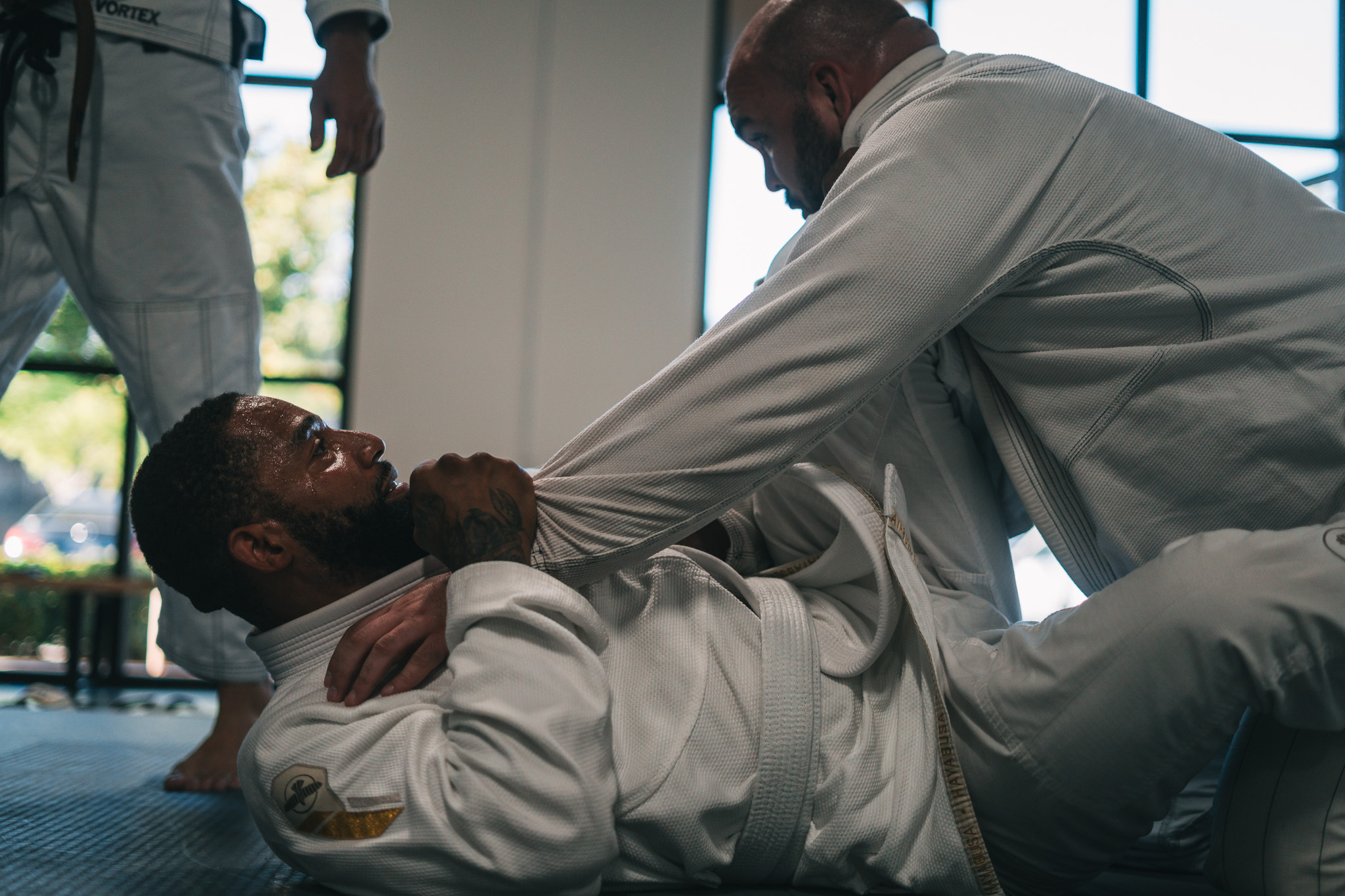
1. Progress Requires Structure
Many students assume progress in Jiu-Jitsu comes from learning more techniques.
But real development comes from understanding:
- Core principles
- Movement patterns
- Positioning and timing
- How techniques connect together
Without structure, students often collect techniques without understanding how to apply them.
Structured classes create a clear path for development, helping students build knowledge layer by layer instead of feeling overwhelmed.
2. Fundamentals Are Reinforced Consistently
Strong fundamentals are what make long-term progress possible.
At AKXE Academy, classes consistently reinforce:
- Base and posture
- Escapes and defensive awareness
- Control and positioning
- Efficient movement
Instead of rushing into advanced techniques, students develop the foundation needed to apply Jiu-Jitsu effectively over time.
This creates confidence, clarity, and better long-term retention.
3. Purposeful Repetition Builds Real Skill
Learning a technique once is rarely enough.
Structured training includes:
- Controlled drilling
- Repetition with intention
- Gradual resistance and adaptation
This process helps students:
- Build muscle memory
- Improve reaction time
- Develop confidence under pressure
Repetition without purpose creates boredom.
Purposeful repetition creates skill.
4. Students Progress Faster When Learning Feels Clear
One of the biggest reasons students become frustrated is confusion.
When classes feel random, students often struggle to understand:
- Why techniques work
- How positions connect
- What they should focus on improving
Structured BJJ classes removes that uncertainty.
At AKXE Academy, students are guided through a logical progression that helps them understand not only what to do — but why they are doing it.
That clarity accelerates learning.
5. Controlled Training Creates Better Decision-Making
Real progress in Brazilian Jiu-Jitsu requires more than memorization.
Students must learn how to:
- Stay calm under pressure
- Solve problems in real time
- Make technical decisions while training
Structured classes introduce these challenges progressively through:
- Situational drills
- Positional sparring
- Controlled rolling environments
This allows students to develop awareness and confidence without feeling overwhelmed early on.
6. Consistency Matters More Than Intensity
Students often believe harder training automatically leads to faster improvement.
But long-term progress usually comes from:
- Consistent attendance
- Smart pacing
- Sustainable training habits
A structured environment helps students train consistently without burnout or unnecessary injury risk.
Over time, small improvements compound into major development.
7. Real Progress Is Built Over Time
In Brazilian Jiu-Jitsu, meaningful progress is gradual.
Students improve by:
- Repeating fundamentals
- Refining details
- Learning from mistakes
- Staying consistent through difficult phases
Structured classes provide the roadmap that makes this possible.
Without direction, effort becomes random.
With structure, progress becomes measurable.
Training With Purpose Changes Everything
At AKXE Academy in Agoura Hills, every class is designed with long-term development in mind.
Because Brazilian Jiu-Jitsu is not just about staying busy on the mat.
It’s about training with purpose, understanding the process, and building real progress over time.
And when training has structure behind it, improvement stops feeling accidental — and starts becoming inevitable.

Leave A Comment