

Good coaching in Jiu-Jitsu is one of the most important — and often underestimated — factors in long-term progress. When people think about improving in Brazilian Jiu-Jitsu, they usually focus on techniques, training frequency, or physical conditioning. But without high-level coaching, even consistent training can lead to confusion, slow progress, or plateaus.
At AKXE Academy in Agoura Hills, coaching is not about showing moves. It’s about guiding students through a structured process that builds skill, confidence, and long-term development.
Because in Jiu-Jitsu, how you are taught matters as much as what you are taught.
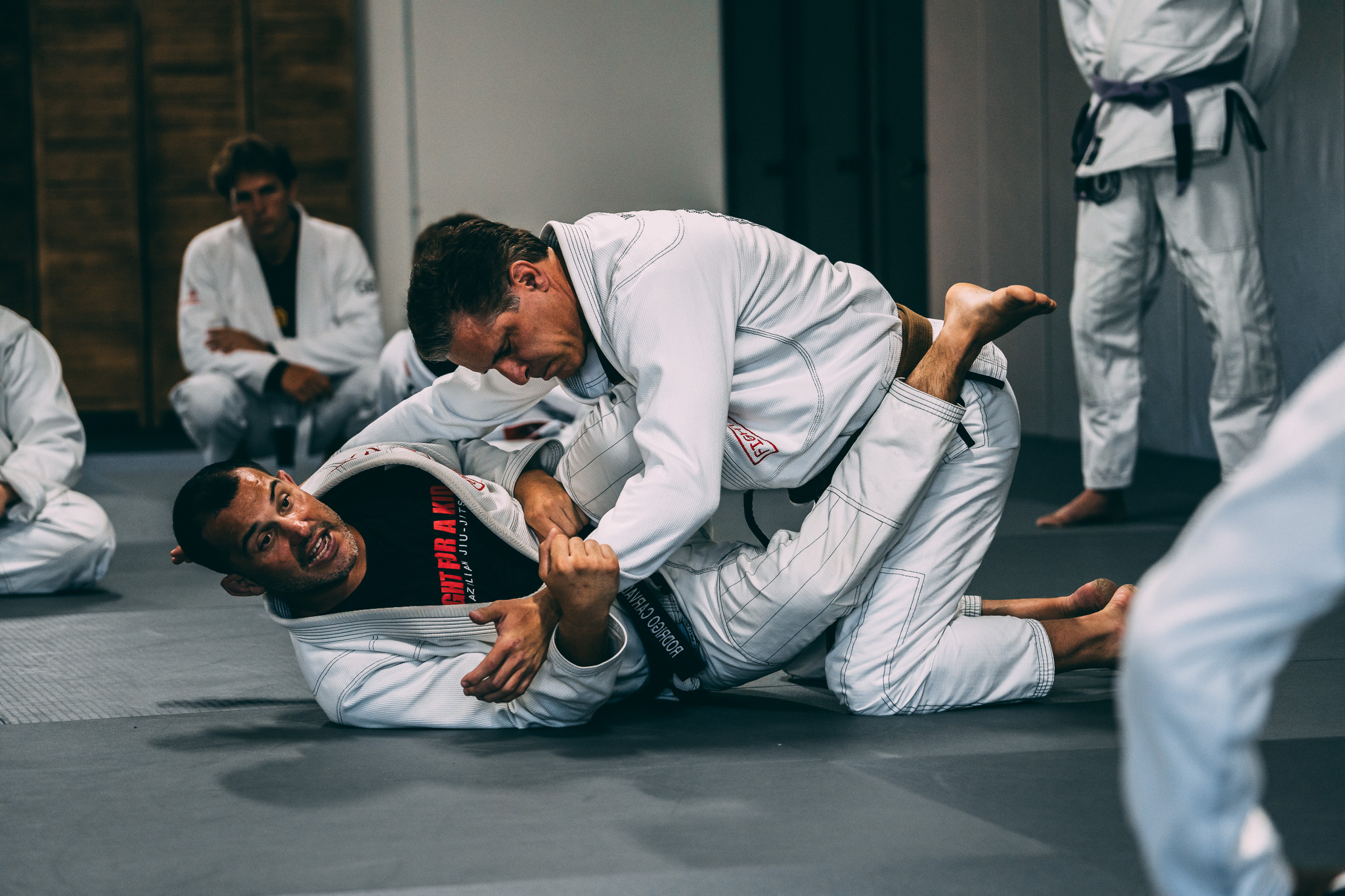
1. Teaching Fundamentals With Precision
Good coaching starts with clarity.
Strong instructors focus on fundamentals — and teach them with depth and precision.
This means:
- Breaking techniques into clear, understandable steps
- Explaining not just what to do, but why it works
- Reinforcing core principles consistently
Students who understand fundamentals don’t just memorize techniques — they learn how to apply them.
2. Building a Structured Learning Path
One of the biggest differences between average instruction and good coaching in Jiu-Jitsu is structure.
Without structure, training feels random.
With structure, progress becomes predictable.
Good coaching provides:
- A clear progression from beginner to advanced levels
- Connection between techniques over time
- Repetition with purpose
At AKXE Academy, classes are designed to build on each other — helping students develop a complete understanding of Jiu-Jitsu, not just isolated skills.
3. Knowing When to Push — and When to Guide
Effective coaching is not about intensity all the time.
It’s about understanding the student.
Good coaches know:
- When a student needs correction
- When they need encouragement
- When to challenge them — and when to slow things down
This balance prevents burnout, reduces frustration, and keeps students progressing consistently.
4. Creating a Safe and Professional Training Environment
Jiu-Jitsu is a close-contact martial art. Without proper guidance, training can quickly become unsafe.
Good coaching ensures:
- Controlled sparring environments
- Clear safety protocols
- Respect between training partners
- Emphasis on technique over strength
Safety is not separate from progress — it is what allows progress to happen long-term.
5. Giving Real-Time, Actionable Feedback
Correction is where learning happens.
But not all feedback is equal.
Good coaching provides:
- Specific, actionable adjustments
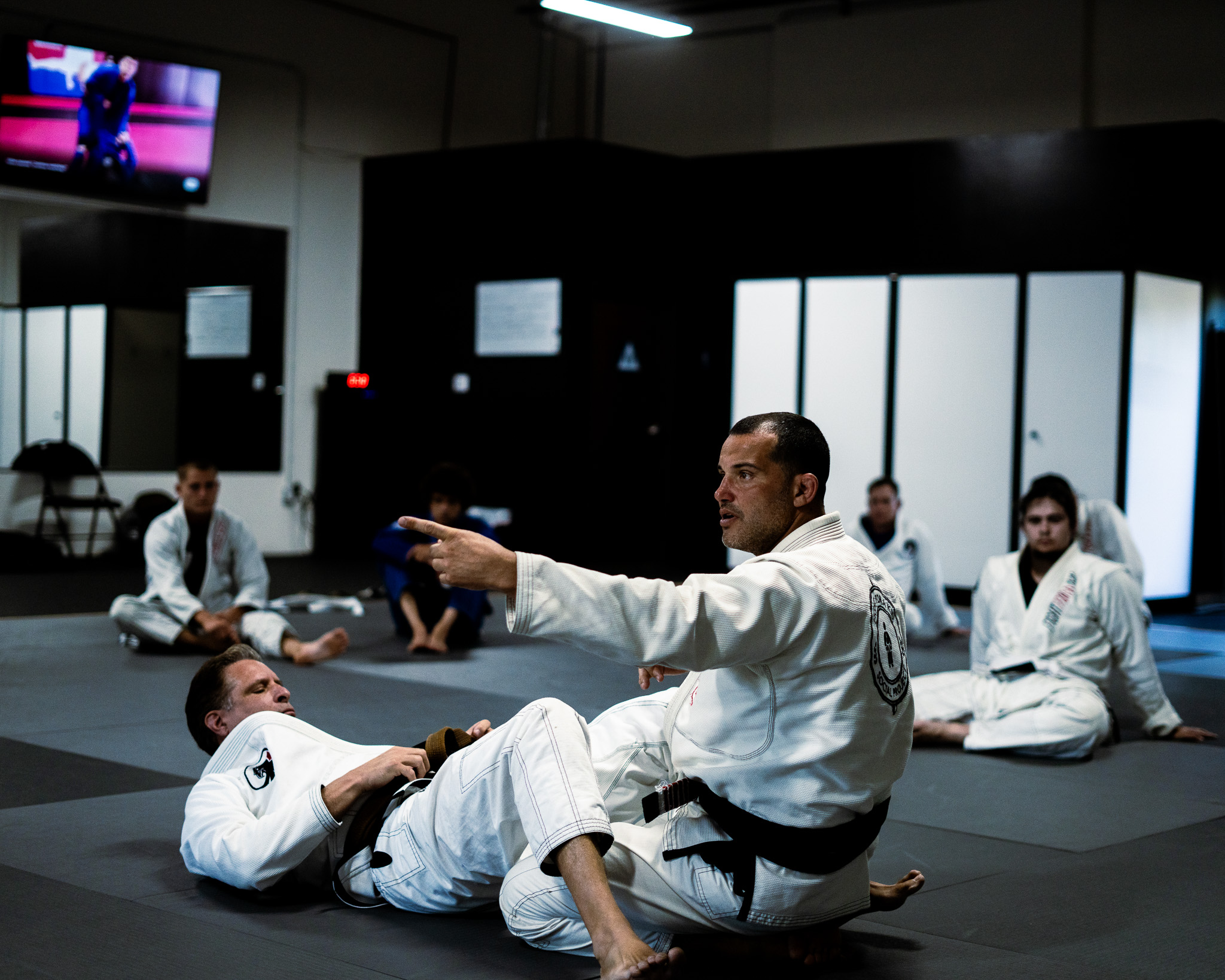
- Immediate correction during training
- Guidance tailored to each student’s level
Instead of generic advice, students receive direction they can apply right away.
This accelerates learning and prevents bad habits from forming.
6. Teaching Students How to Think — Not Just What to Do
At higher levels, Jiu-Jitsu becomes less about memorizing techniques and more about understanding concepts.
Great coaching develops:
- Problem-solving ability
- Timing and decision-making
- Adaptability under pressure
Students begin to think independently — not just follow instructions.
This is what separates short-term learning from long-term mastery.
7. Building Confidence Through Process
Confidence in Jiu-Jitsu is not built through praise — it’s built through experience.
Good coaching creates:
- A safe space to make mistakes
- A system for consistent improvement
- Clear markers of progress over time
Students gain confidence not because they are told they are improving — but because they can see and feel it.
More Than Instruction
Good coaching in Jiu-Jitsu goes beyond teaching techniques.
It shapes:
- How students learn
- How they respond to challenges
- How they progress over time
At AKXE Academy in Agoura Hills, coaching is built around structure, clarity, and long-term development.
Because the difference between training and improving…
is not just effort.
It’s guidance.
And when that guidance is done right, progress is not accidental — it’s inevitable.

Leave A Comment