

When people think about progress in Brazilian Jiu-Jitsu, the first thing that comes to mind is belts.
White, blue, purple, brown, black.
But belts only tell part of the story.
Real progress in Jiu-Jitsu is quieter. Less visible. And often happening long before any promotion.
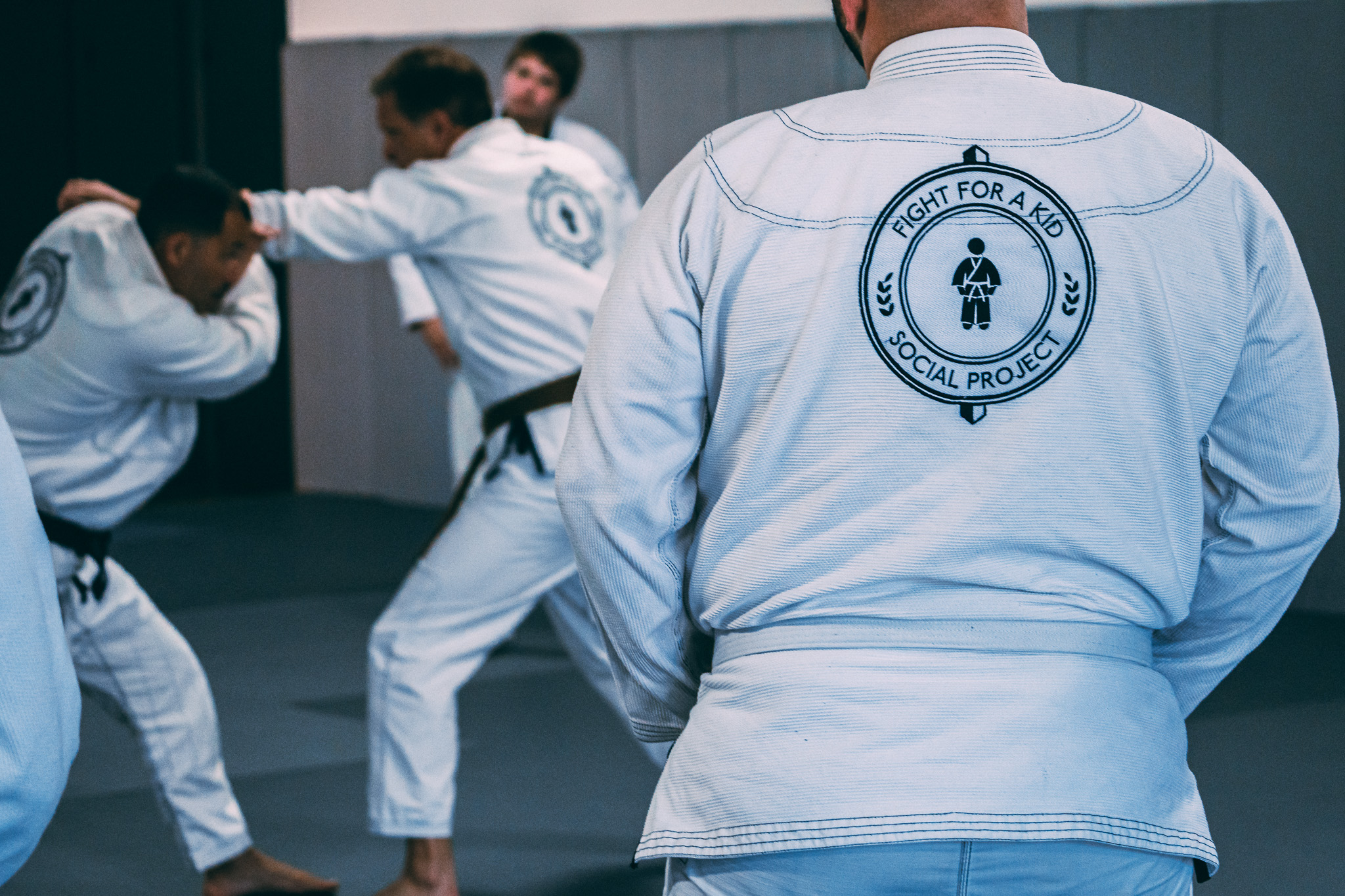
At AKXE Academy in Agoura Hills, progress is measured not just by rank — but by how a student moves, thinks, and responds over time.
Because in Jiu-Jitsu, who you’re becoming matters more than the color around your waist.
1. From Reacting to Understanding
In the beginning, everything feels chaotic. You react without knowing why.
Over time, something changes.
You begin to:
- Recognize positions
- Anticipate movements
- Understand cause and effect
Instead of guessing, you start making decisions.
That shift — from reacting to understanding — is one of the clearest signs of real progress.
2. Escaping Situations That Once Felt Impossible
Early on, certain positions feel like the end.
Mount. Side control. Back control.
There’s no space. No answers.
Then gradually:
- You survive longer
- You stay calmer
- You begin to escape
What once felt overwhelming becomes manageable.
That’s progress.
3. Slowing Down Instead of Speeding Up
Beginners often move fast.
More effort. More force. More urgency.
But progress looks different.
You start to:
- Conserve energy
- Choose movements carefully
- Use timing instead of strength
Your Jiu-Jitsu becomes more efficient — not more frantic.
4. Training With Intention
At first, every round feels the same: just trying to “win” or survive.
Then your mindset evolves.
You begin to:
- Focus on specific positions
- Apply techniques you’ve been studying
- Accept mistakes as part of learning
Training becomes purposeful.
And that’s where growth accelerates.
5. Staying Calm Under Pressure
Pressure is constant in Jiu-Jitsu.
But how you respond to it changes over time.
Progress in Brazilian Jiu-Jitsu means:
- Breathing instead of panicking
- Thinking instead of reacting
- Staying composed in difficult situations
This doesn’t just improve your training — it changes how you handle challenges outside the mat.
6. Helping Others Improve
One of the most overlooked signs of progress:
You start helping newer students.
Not by teaching classes — but by:
- Controlling your intensity
- Giving them space to learn
- Being a good training partner
When you can manage not just your own movement, but the experience of others — your level has evolved.
7. Consistency Without Burnout
Progress is not about one great day.
It’s about showing up — again and again.
Real development looks like:
- Training regularly
- Avoiding unnecessary injuries
- Staying engaged long-term
The students who improve the most are not the most talented.
They are the most consistent.
8. Confidence That Feels Natural
At some point, confidence stops being something you think about.
It becomes something you feel.
You:
- Trust your decisions
- Accept challenges
- Stay composed in uncertain situations
Not because everything is easy —
but because you’ve been there before.
More Than a Belt
Belts matter.
They represent time, dedication, and milestones.
But they don’t capture everything.
At AKXE Academy in Agoura Hills, progress is seen in the details:
- The way you move
- The way you think
- The way you handle pressure
Because true progress in Brazilian Jiu-Jitsu isn’t defined by rank alone — it’s defined by evolution over time.
It’s about evolving as a practitioner — and as a person.
And that kind of progress is built one class at a time.

Leave A Comment