

At first glance, most Brazilian Jiu-Jitsu academies look similar. They have mats, instructors, and a schedule of classes. But over time, the difference becomes clear.
Some academies simply run classes.
Others build students.
At AKXE Academy in Agoura Hills, that distinction is not subtle — it’s foundational. Because real progress in Jiu-Jitsu doesn’t come from exposure alone. It comes from structure, intention, and the environment behind every class.
1. Classes vs. Development
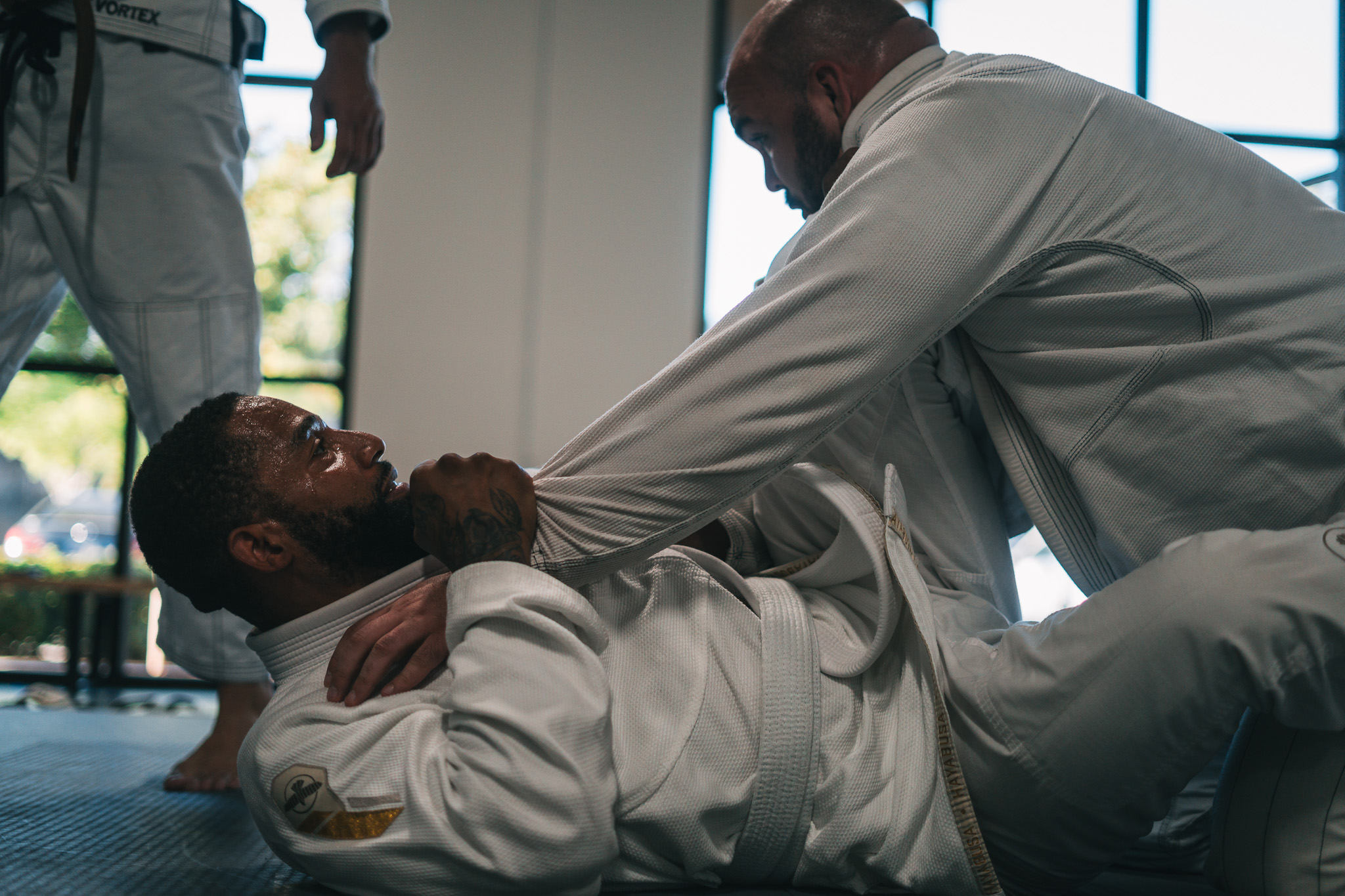
Running a class is easy:
Show a technique.
Let students drill.
Finish with sparring.
Building a student is different.
It requires:
- A clear progression over time
- Reinforcement of core fundamentals
- Connection between what is taught today and what was taught before
Students don’t just “train” — they evolve.
2. Random Instruction vs. Structured Method
In many academies, classes are built around variety.
New techniques every day.
Constant change.
No clear system.
It feels productive — but often leads to confusion.
A student-building academy follows a method:
- Techniques are part of a larger system
- Concepts are revisited and refined
- Learning is layered, not scattered
This is what creates real understanding.
3. Intensity vs. Intelligence
Some environments reward intensity above all else.
Hard rounds.
High pressure.
“Winning” in training.
While intensity has its place, without control it leads to:
- Burnout
- Injury
- Short-term progress
Academies that build students prioritize:
- Technique over strength
- Control over aggression
- Long-term consistency over short-term results
Because training harder is not the same as training better.
4. Ego-Driven Culture vs. Professional Culture
Culture shapes everything.
In the wrong environment:
- Students feel pressure to prove themselves
- Mistakes are avoided instead of learned from
- Beginners feel out of place
In the right environment:
- Respect is non-negotiable
- Learning is prioritized over performance
- Every level feels supported
A professional culture keeps students training longer — and progressing faster.
5. Teaching Moves vs. Teaching Understanding
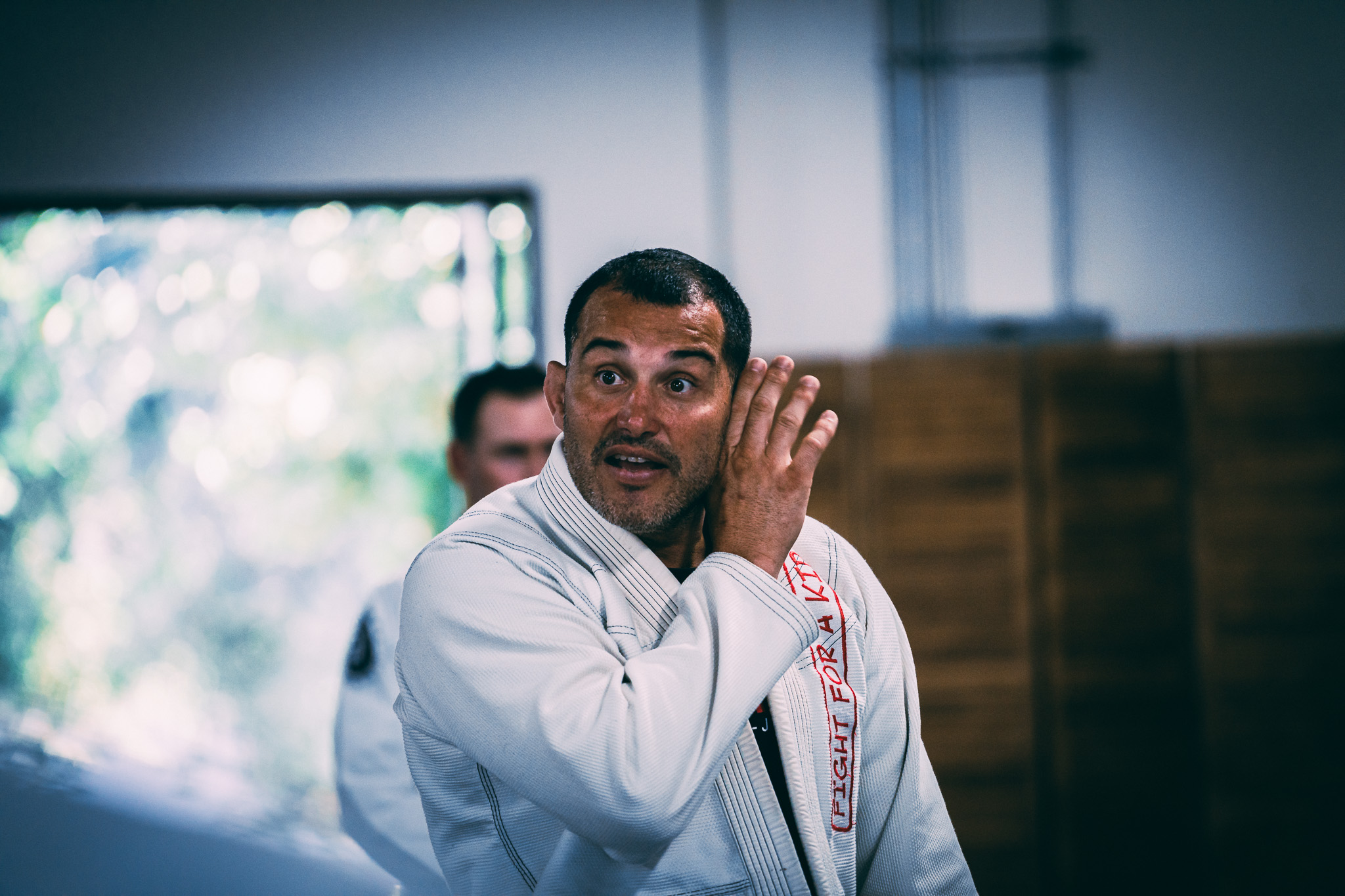
Anyone can demonstrate techniques.
But building students requires teaching:
- Timing
- Positioning
- Decision-making
- Adaptability
Instead of memorizing steps, students learn how to think.
That’s what allows them to apply Jiu-Jitsu in real situations — not just repeat movements.
6. Short-Term Engagement vs. Long-Term Retention
Academies that only run classes often rely on novelty:
New techniques
High intensity
Constant variation
It keeps people interested — for a while.
Academies that build students focus on:
- Consistency
- Progression
- Sustainable training habits
This is what keeps students training not just for months — but for years.
7. A Place to Train vs. A System to Grow
In the end, the difference is simple:
Some academies offer a place to train.
Others provide a system to grow.
At AKXE Academy in Agoura Hills, every class is part of a larger structure designed to:
- Develop skill with clarity
- Build confidence through progress
- Support long-term consistency
Because Jiu-Jitsu is not just about what you do on the mat.
It’s about who you become through the process.
The Difference Is Not Visible on Day One
In the beginning, most academies feel the same.
But over time, the results speak for themselves.
Students either:
Feel lost — or gain clarity
Plateau — or keep progressing
Quit — or stay consistent
And that difference doesn’t come from talent.
It comes from the environment.
Because the best academies don’t just run classes.
They build people.

Leave A Comment