

Brazilian Jiu-Jitsu is built on lineage, respect, and the transmission of knowledge from master to student across generations.
Master Aníbal Braga stands as one of the most respected guardians of Brazilian Jiu-Jitsu tradition, representing dedication to teaching, preserving, and passing the art to future generations.
With decades dedicated to the art, Master Aníbal is widely recognized as one of the respected elders of Brazilian Jiu-Jitsu and a holder of the prestigious 9th-degree red belt — one of the highest honors in the sport. In Jiu-Jitsu, the red belt symbolizes not only technical mastery, but a lifetime devoted to teaching, preserving, and expanding the art.
Throughout his career, Master Aníbal has guided and influenced countless students, passing on both the techniques and the values that define Brazilian Jiu-Jitsu.
Among those students was a young practitioner named Rodrigo, who many years ago received his first belt promotion — a yellow belt — directly from Master Aníbal’s hands. At the time, it was simply a step forward in a student’s development.
Today, it represents something much greater: the continuation of a lineage rooted in decades of dedication to the art.
In this conversation, Master Aníbal Braga shares the story of how his journey in Jiu-Jitsu began, the moments that shaped his career, and the lessons he believes every new generation of practitioners should carry forward.
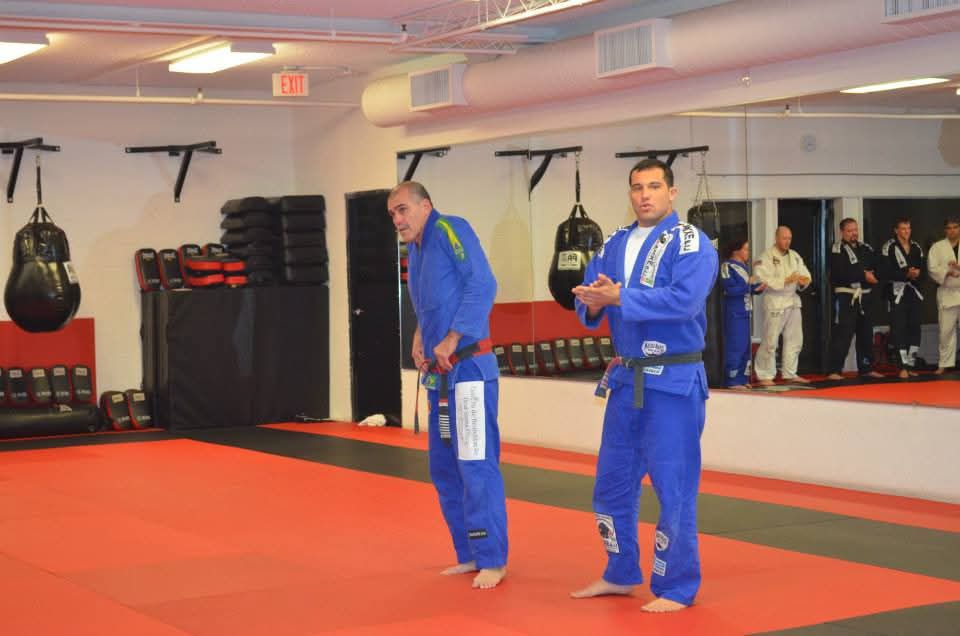
1. Master Aníbal, how did your journey in Jiu-Jitsu begin? What motivated you to step on the mat for the first time?
I started practicing Jiu-Jitsu in 1970. Interestingly, I initially thought I was going to train judo.
At the time, I went to a martial arts academy in Vila da Penha, a neighborhood in the suburbs of Rio de Janeiro, and asked to enroll in judo. The instructor told me it was practically the same thing, so I began training — but in Jiu-Jitsu.
By the time I realized they were actually different martial arts, I had already fallen completely in love with Jiu-Jitsu. I kept training and never stopped.
Brazilian Jiu-Jitsu had already been spreading throughout Brazil after arriving in Rio de Janeiro, mainly through two major lineages: the Gracie family and the Fadda family, both influenced by the teachings of Master Mitsuyo Maeda.
I am part of that tradition, belonging to the third generation of Jiu-Jitsu practitioners in Brazil.
2. After so many years dedicated to Jiu-Jitsu, what were the most memorable moments of your career?
There have been many important moments throughout my journey.
One of the most memorable was a match I had at the age of 16 against Rickson Gracie. Even though I lost the fight, I managed to do something very few people did: I caught him in a foot lock that forced him to repeatedly raise his hand asking for the match to be paused.
That moment became well known and is still remembered by many people today.
Another unforgettable moment was receiving my black belt from my master, Amélio Arruda.
This happened after a competition at Clube Salesiano, where I competed representing Academia Oriente. I had been selected as the best athlete of the competition among the brown and black belts. Right there on the mat, my instructor removed my brown belt and promoted me to black belt.
It was a very emotional tribute that I carry with me to this day.
I also had many victories in state and national competitions, as well as titles in the Master divisions, including a world championship. But above all, what truly defined my career were the people — the masters and students who were part of this journey.
3. Receiving the 9th-degree red belt is an honor reserved for very few people in the world of Jiu-Jitsu. What did that moment represent for you?
It is a feeling that is difficult to describe.
I never trained with the goal of reaching the red belt. The years passed, I continued on the mats teaching and learning, and before I knew it I had reached the coral belt.
Then came the red and white belt, and at that point I thought: “If God gives me enough time in life, maybe I will reach the red belt.”
On February 27th, I finally received that rank.
When something like this happens, your entire life flashes before your eyes — all the competitions, the injuries, the friends who were part of the journey, the masters who taught you, and those who are no longer here.
It represents recognition for a lifetime dedicated to Jiu-Jitsu.
At the same time, I feel it is a mission accomplished — but not finished. As long as I am alive, I will continue teaching and living Jiu-Jitsu.
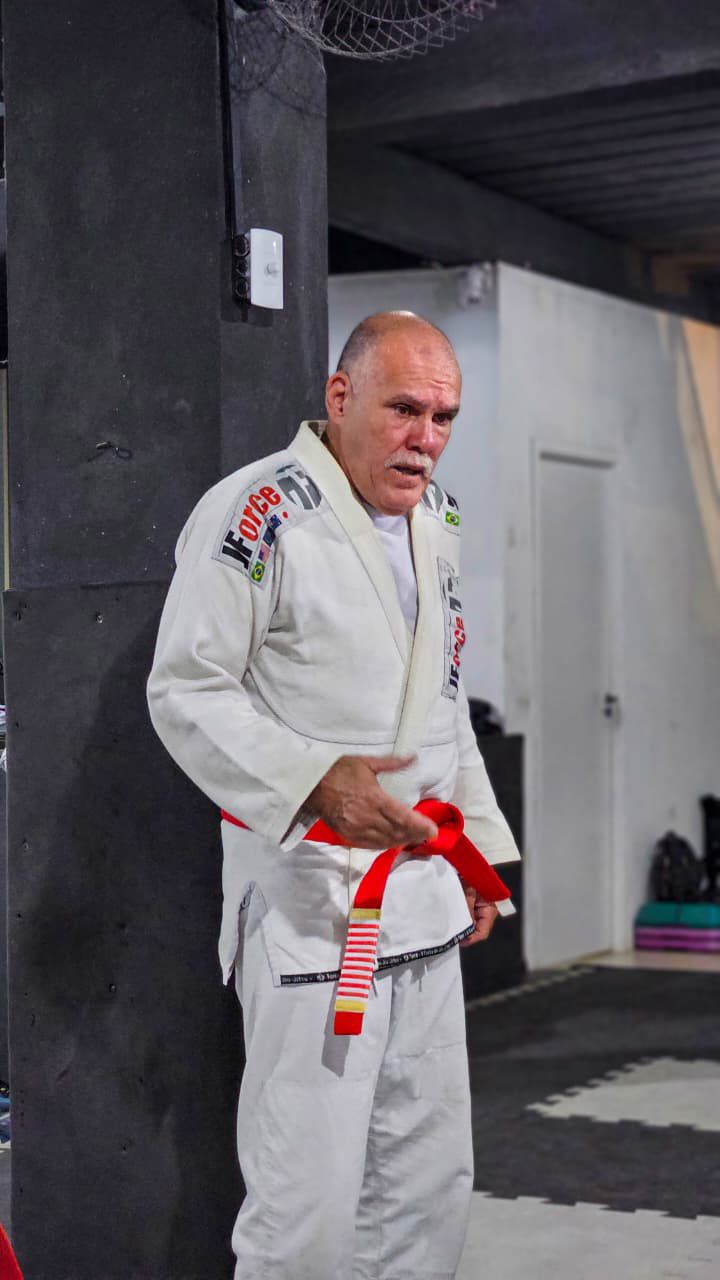
4. You have trained many athletes and instructors throughout your career. What defines a good Jiu-Jitsu student?
I didn’t promote a very large number of black belts — around eight throughout my career. Many students began with me but later followed their own paths in other academies or cities.
Still, I am proud of all of them. They are all good people.
For me, a good Jiu-Jitsu student is not just someone who fights well. It is someone who carries moral, social, and educational values.
I always tried to teach not only technique, but also life values.
My greatest pride is knowing that my students never got involved in negative paths in life. That comes from family upbringing as well, but also from what we teach on the mats.
5. In your opinion, what is the greatest lesson Jiu-Jitsu can teach?
The greatest lesson is never giving up.
There is an ancient ethical code connected to martial arts called Bushido, the code of the samurai. Many people follow these principles in Jiu-Jitsu without even realizing it.
This code speaks about honor, discipline, perseverance, and courage.
In Jiu-Jitsu you learn that the fight is never over until it truly ends.
I’ve seen many matches where an athlete was losing by many points but continued fighting and eventually secured a submission at the end.
Life works exactly the same way.
If you want something — a career, education, or a personal goal — you must persist. You cannot quit halfway through. That is the greatest life philosophy Jiu-Jitsu taught me.
6. What advice would you give to young athletes who are just starting in the sport?
The first piece of advice is perseverance.
But it is also important to understand that there is a difference between practicing Jiu-Jitsu as a competitive sport and practicing it as a philosophy and lifestyle.
Athletes who compete must understand that excessive training can bring consequences. I personally carry many injuries from the intensity with which I trained in my earlier years.
Today I believe it is possible to find a better balance. You can compete, grow in the sport, and still take care of your health and your life outside the mats.
7. If you could summarize Jiu-Jitsu in one message for the next generation, what would it be?
Take care of your body.
Train with dedication, learn the philosophy of Jiu-Jitsu, fight for your goals, and never give up. But remember that life is long, and your body will stay with you until the end of it.
Many great champions end up paying a high price later in life because of injuries and lack of long-term planning.
So beyond training hard, it is important to be professional: take care of your health, manage your finances, and think about the future.
Jiu-Jitsu is much more than a sport.
It is a way of life.
Carrying the Tradition Forward
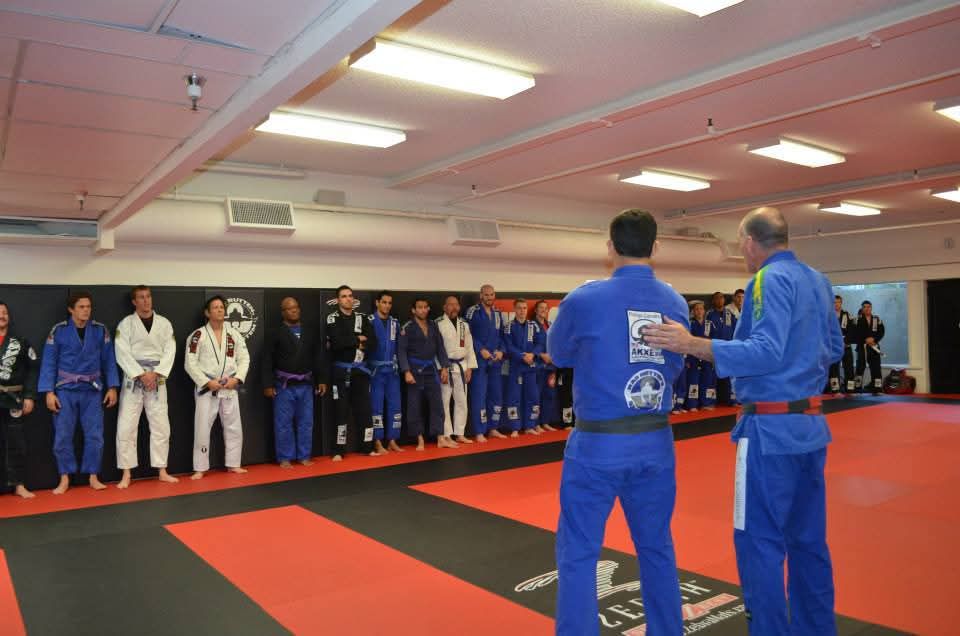
At AKXE Academy in Agoura Hills, this philosophy continues to guide how Brazilian Jiu-Jitsu is taught.
The lineage, the values, and the lessons passed down by masters like Aníbal Braga remain at the heart of the training environment — where technique, discipline, and personal growth develop side by side.
Because in Jiu-Jitsu, every generation carries the responsibility of preserving the art while helping the next generation grow.
And that tradition continues every time a student steps onto the mat.

Leave A Comment