

Brazilian Jiu-Jitsu is often described as a game of positions before submissions. While techniques evolve over time, the foundation of BJJ remains the same: understanding and controlling key positions on the mat.
At AKXE Academy, we teach students that real progress in Jiu-Jitsu starts with positional awareness. Before focusing on submissions or advanced strategies, mastering the foundational positions builds confidence, safety, and long-term success.
This guide breaks down the five most important foundational positions in Brazilian Jiu-Jitsu and explains why they matter.
1. The Guard: Control From the Bottom
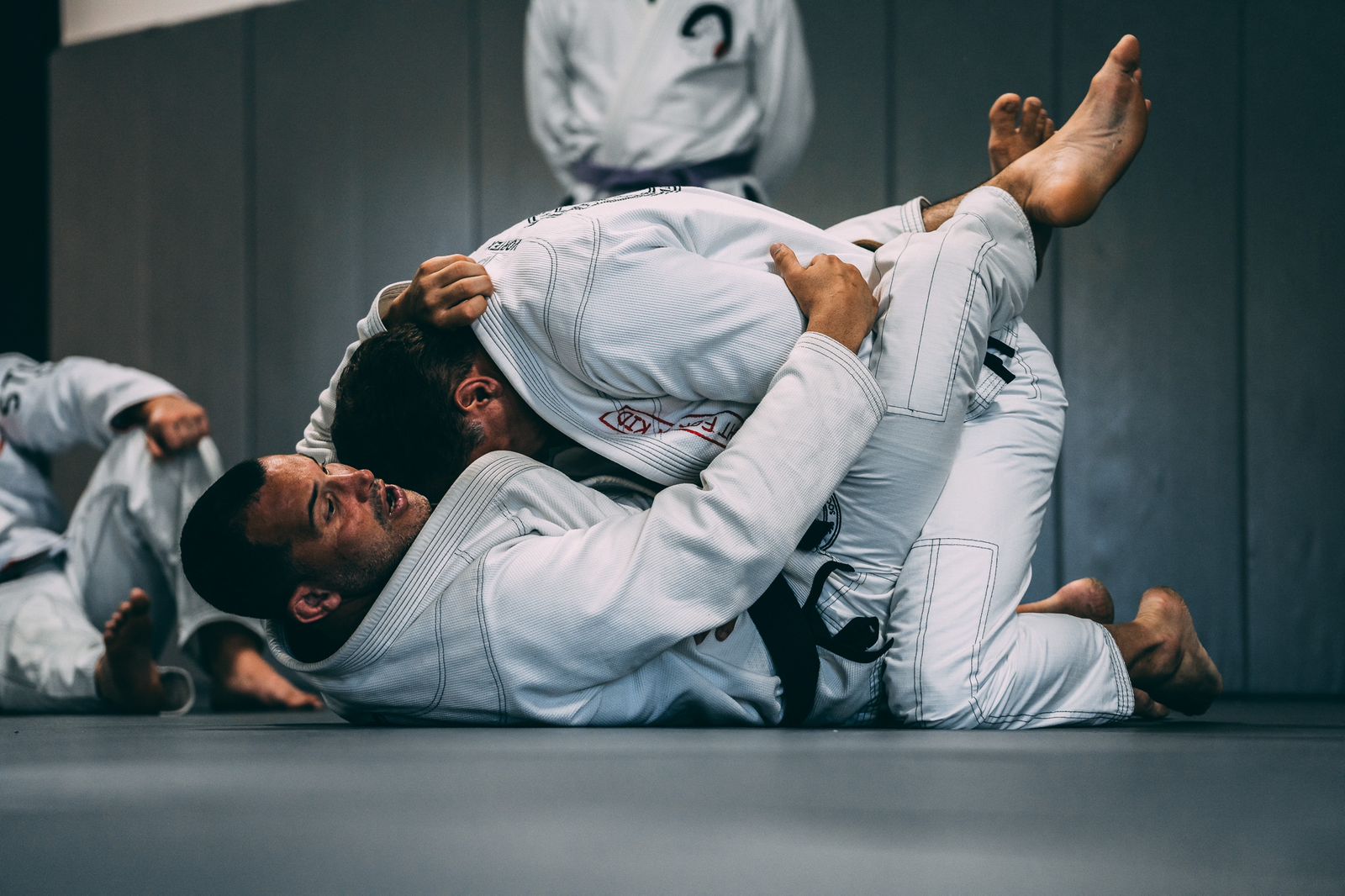
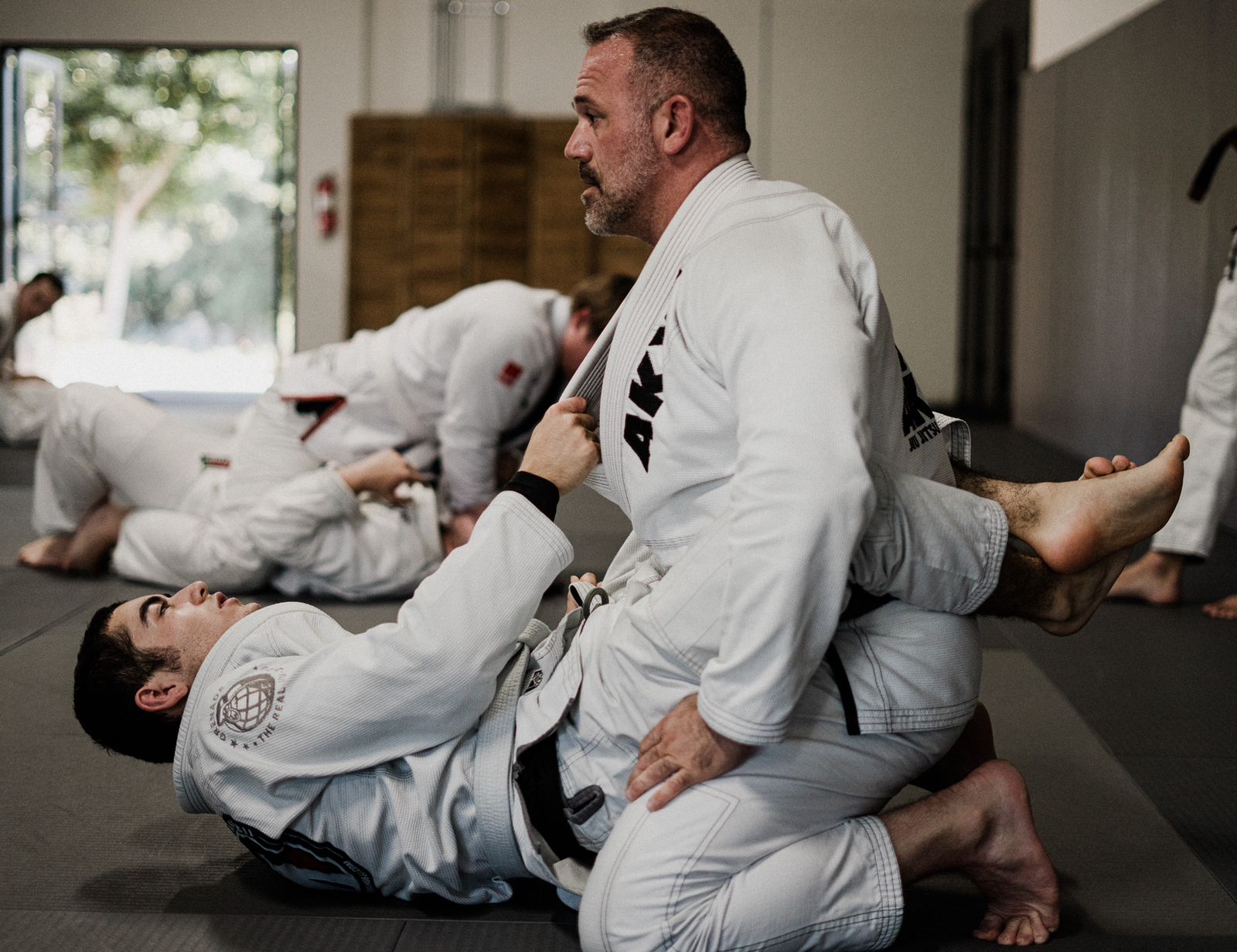
The guard is one of the most unique and defining aspects of Brazilian Jiu-Jitsu. Unlike many martial arts, BJJ allows you to fight effectively from your back.
In the guard position, you use your legs and hips to control your opponent’s movement, distance, and posture.
Students learn to:
- Control an opponent without relying on strength
- Protect themselves while on the ground
- Create opportunities for sweeps and submissions
At AKXE Academy, beginners are taught that being on the bottom doesn’t mean being in danger. The guard teaches patience, timing, and strategic thinking — core skills in BJJ.
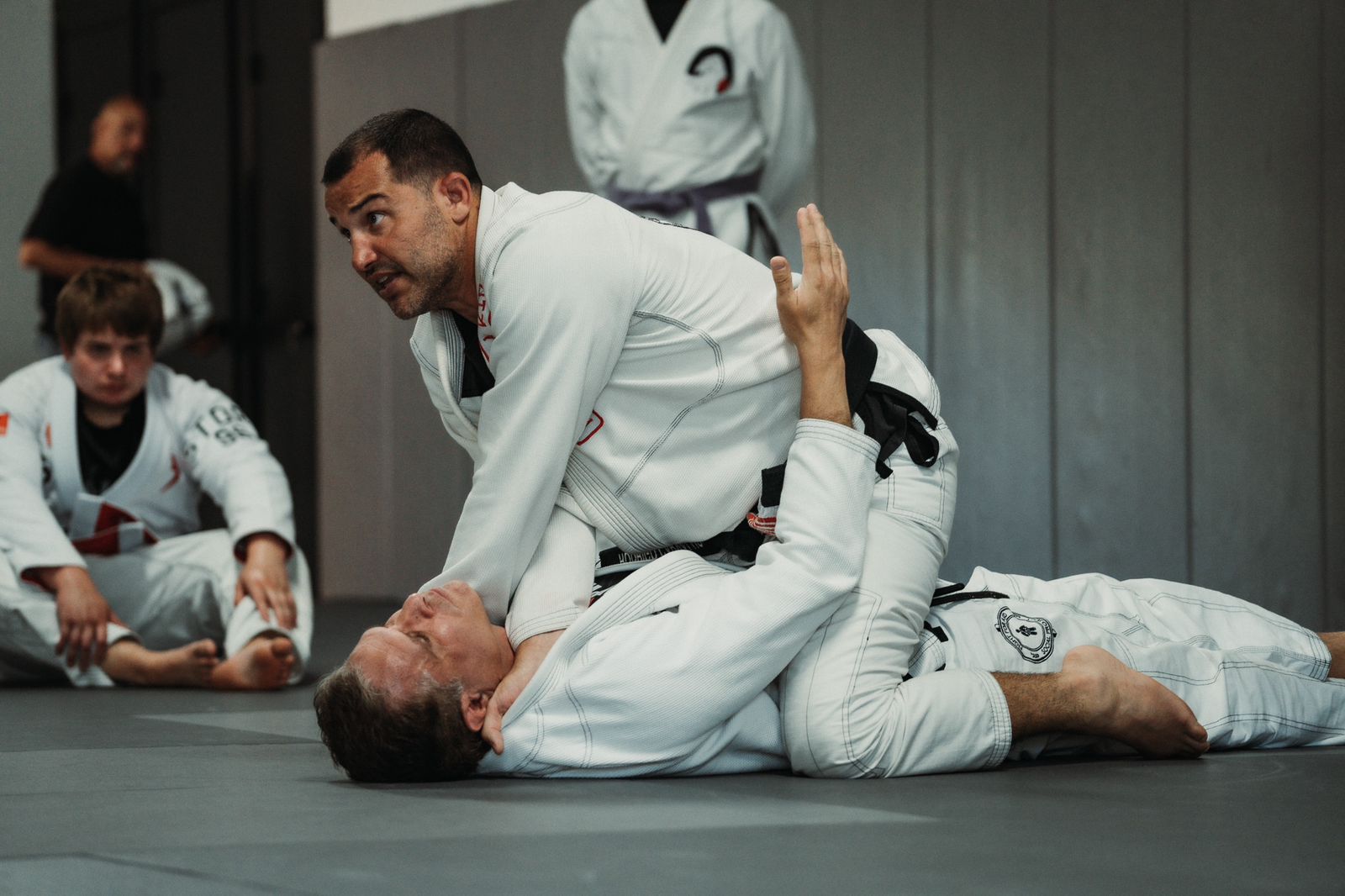
2. Side Control: Dominance and Stability
Side control is a top position focused on pressure, balance, and control. From here, the goal is to limit your opponent’s movement while maintaining a stable base.
In this position, students learn:
- How to apply pressure without using excessive force
- How to control space and body alignment
- How to transition to stronger positions
Side control is often one of the first positions beginners experience when learning to control an opponent safely. It emphasizes precision and awareness rather than aggression.
3. Mount: One of the Strongest Positions in BJJ
The mount is considered one of the most dominant positions in Brazilian Jiu-Jitsu. From mount, the top player has balance, visibility, and control.
In training, students focus on:
- Maintaining balance and posture
- Controlling an opponent’s hips and arms
- Staying calm under pressure — both on top and bottom
Just as important, students also learn how to escape the mount. This teaches resilience, problem-solving, and composure — essential skills for both self-defense and sport.
4. Back Control: The Ultimate Control Position
Back control is widely regarded as the strongest position in Brazilian Jiu-Jitsu. With control of the back, the opponent’s ability to defend and escape is significantly limited.
From this position, students develop:
- Precise control using hooks and seatbelt grips
- Awareness of balance and movement
- Safe and effective finishing mechanics
At AKXE Academy, back control is taught with a strong emphasis on control, safety, and patience — reinforcing the idea that position comes before submission.
5. Closed Distance vs. Open Distance: Understanding Transitions
While not a single position, understanding distance is a foundational concept in BJJ. Students must learn when to close space and when to create it.
This includes:
- Recognizing safe and unsafe distances
- Learning how positions connect and transition
- Developing awareness of movement and timing
Understanding transitions between positions is what turns techniques into a complete system. This concept is introduced early and reinforced at every level of training.
Why Positional Mastery Comes Before Submissions
Many beginners are eager to learn submissions, but without strong positional control, submissions become inconsistent and risky.
At AKXE Academy, we emphasize that:
- Positions create opportunities
- Control leads to confidence
- Fundamentals prevent injury and frustration
When students understand where they are on the mat and why it matters, their progress accelerates naturally.
How AKXE Academy Teaches These Foundations
Our curriculum is structured to ensure students don’t just memorize techniques — they understand concepts.
Our approach includes:
- Clear, progressive instruction
- Repetition with purpose
- Safe, supervised partner drills
- Emphasis on awareness and control
This method helps students of all ages build a strong technical foundation that supports long-term growth.
Foundational Positions Build More Than Skill
Beyond technique, learning the foundational positions of BJJ develops:
- Confidence under pressure
- Patience and discipline
- Strategic thinking
- Physical awareness and control
These benefits extend far beyond the mat, positively impacting daily life.
A Strong Foundation Leads to Lifelong Progress
Brazilian Jiu-Jitsu is a journey built on fundamentals. Mastering the foundational positions allows students to train safely, progress steadily, and enjoy the art for years to come.
At AKXE Academy, we believe that strong basics create strong practitioners. Whether you’re just starting or refining your skills, understanding these five foundational positions is essential to your growth in Jiu-Jitsu.
This is where real mastery begins — one position at a time.

Leave A Comment