

Brazilian Jiu-Jitsu is more than a martial art — it is a 100-year story of innovation, resilience, and real-world effectiveness. From its origins in the early 20th century to its global popularity today, Brazilian Jiu-Jitsu history explains why BJJ has become one of the most respected and practiced martial arts in the world.
What began as a system of grappling and control evolved into a practice that develops confidence, discipline, and problem-solving skills — qualities that continue to attract practitioners of all ages today.
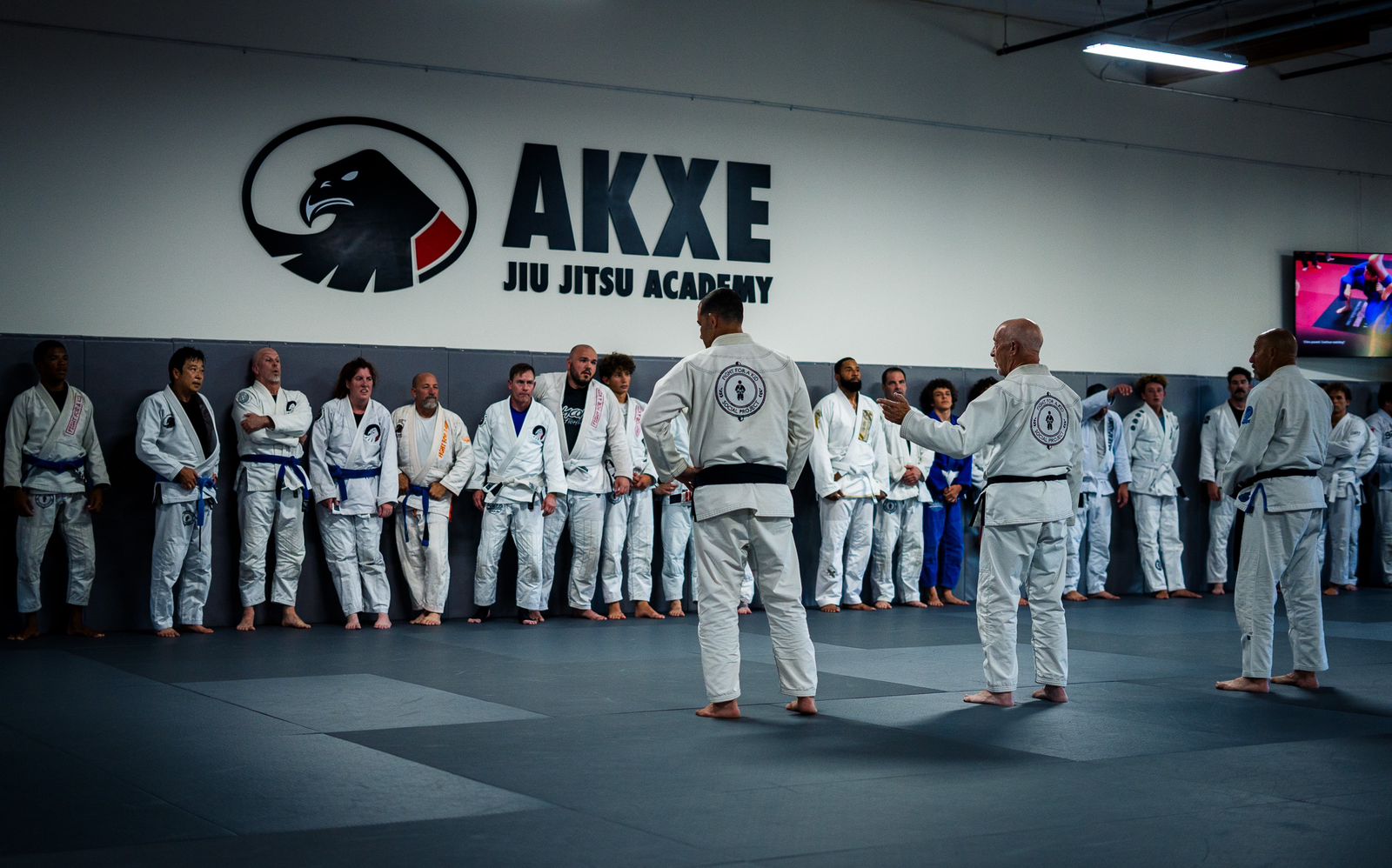
The Origins of Brazilian Jiu-Jitsu
The story of Brazilian Jiu-Jitsu begins in the early 1900s, when Japanese martial artist Mitsuyo Maeda brought Judo and traditional Jiu-Jitsu to Brazil. His teachings emphasized grappling, throws, and ground control — concepts that would later become the foundation of BJJ.
One of Maeda’s students, Carlos Gracie, recognized the potential of these techniques and began adapting them. Alongside his brothers, especially Hélio Gracie, Carlos helped transform the art into something new.
Hélio Gracie played a crucial role in shaping modern BJJ. Due to his smaller frame, he refined techniques to rely less on strength and more on:
- Timing
- Leverage
- Positioning
- Efficiency
These refinements turned Brazilian Jiu-Jitsu into a true problem-solving martial art. Instead of brute force, practitioners learned to control opponents on the ground, neutralize threats, and apply submissions with minimal energy.
This philosophy is why BJJ is still considered one of the most effective systems for self-defense and why so many adults and kids continue searching for brazilian jiu jitsu decades later.
How BJJ Evolved Over a Century
As Brazilian Jiu-Jitsu matured, it expanded into different expressions while maintaining its core principles.
Brazilian Jiu-Jitsu as a Sport
Competitive BJJ introduced structured rules, point systems, and high-level technical exchanges. This evolution pushed athletes to refine timing, transitions, and strategy, contributing to the art’s constant technical growth.
BJJ as a Self-Defense System
Beyond competition, Brazilian Jiu-Jitsu remained deeply rooted in real-world self-defense. Its emphasis on control and composure under pressure made it uniquely effective in unpredictable situations.
The Role of BJJ in Mixed Martial Arts
Brazilian Jiu-Jitsu also became a cornerstone of modern mixed martial arts. Its effectiveness in controlling opponents on the ground fundamentally changed how fighters approach combat sports.
Brazilian Jiu-Jitsu Today
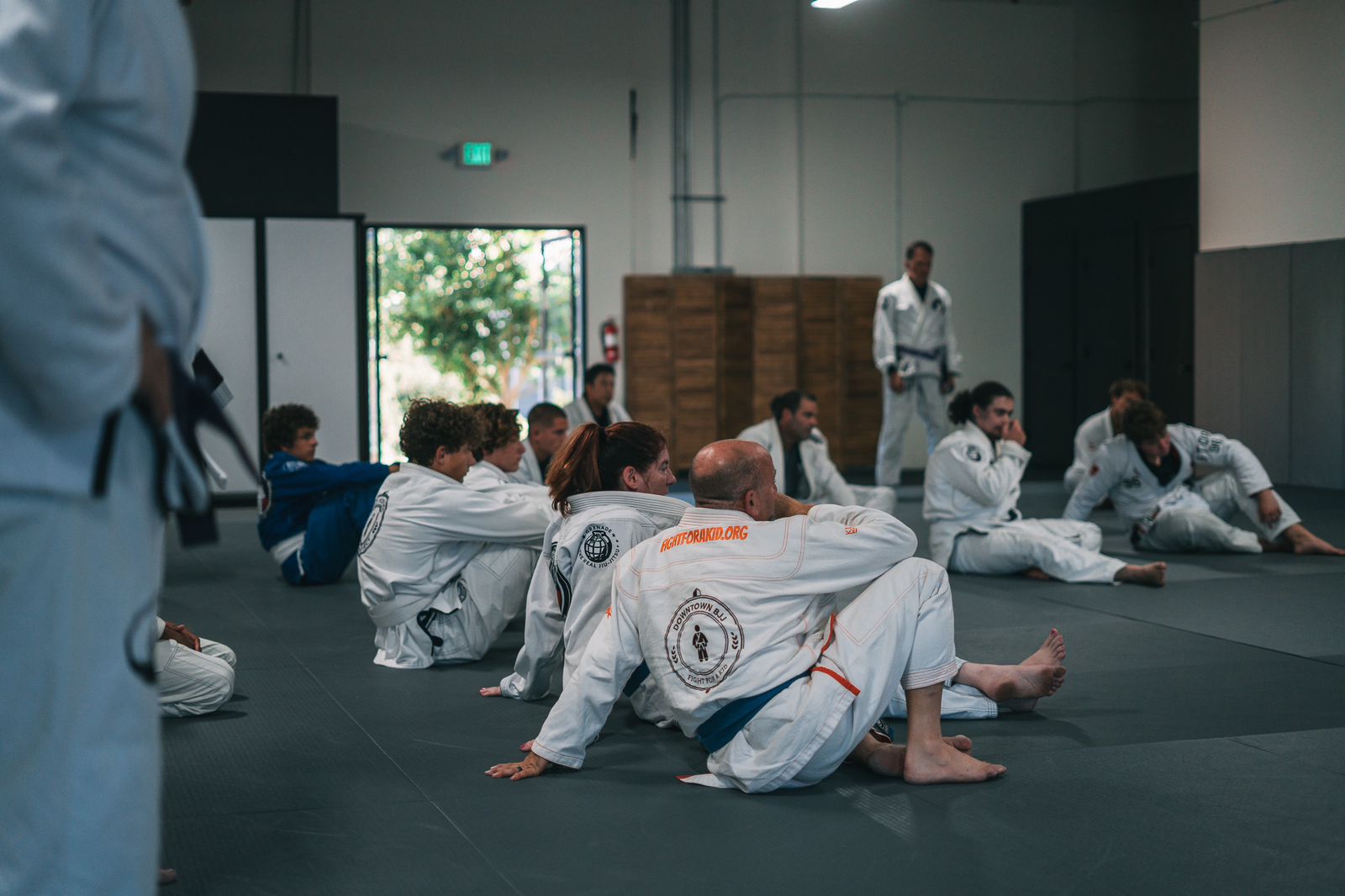
Today, Brazilian Jiu-Jitsu is practiced worldwide by children, adults, and professionals alike. It is used to build confidence in young students, improve physical and mental well-being in adults, and enhance performance in competitive and professional environments.
Modern academies emphasize structured learning, safety, and community — ensuring that the art remains accessible and relevant in today’s world.
Honoring the Legacy at AKXE Academy
At AKXE Academy, the responsibility of preserving this 100-year legacy is taken seriously. Our teaching philosophy respects the origins of Brazilian Jiu-Jitsu while incorporating modern methods that prioritize safety, clarity, and long-term development.
Our programs focus on:
- Strong fundamentals and technical understanding
- Discipline, respect, and consistency
- Progressive learning for both kids and adults
- A supportive environment that encourages growth
Students don’t just learn techniques — they become part of a tradition shaped by decades of refinement.
Looking Ahead: The Next Century of BJJ
As Brazilian Jiu-Jitsu enters its second century, its influence continues to expand. New generations step onto the mat not only to learn how to grapple, but to challenge themselves mentally, physically, and emotionally.
Brazilian Jiu-Jitsu is not defined by trends or shortcuts. It is defined by evolution, discipline, and purpose.
That is why, after 100 years, BJJ remains one of the most powerful and enduring martial arts in the world.


Leave A Comment