

Demystifying the Brazilian Jiu-Jitsu Journey
One of the most common questions new students and parents ask is:
“How does the BJJ belt system work?”
Unlike many traditional martial arts, Brazilian Jiu-Jitsu follows a unique and intentionally slower progression system. This is by design — and understanding it from the beginning helps set healthy expectations, reduce frustration, and build long-term commitment.
At AKXE Academy, we believe education is part of the journey. This guide breaks down the BJJ belt system, promotion timelines, and what each belt truly represents for both kids and adults.
1. Why the BJJ Belt System Is Different
Brazilian Jiu-Jitsu belts are not awarded based on time alone. They reflect:
- Technical understanding
- Consistency in training
- Ability to apply techniques under pressure
- Personal growth and maturity
This is why BJJ is known for having one of the most respected and demanding ranking systems in martial arts.
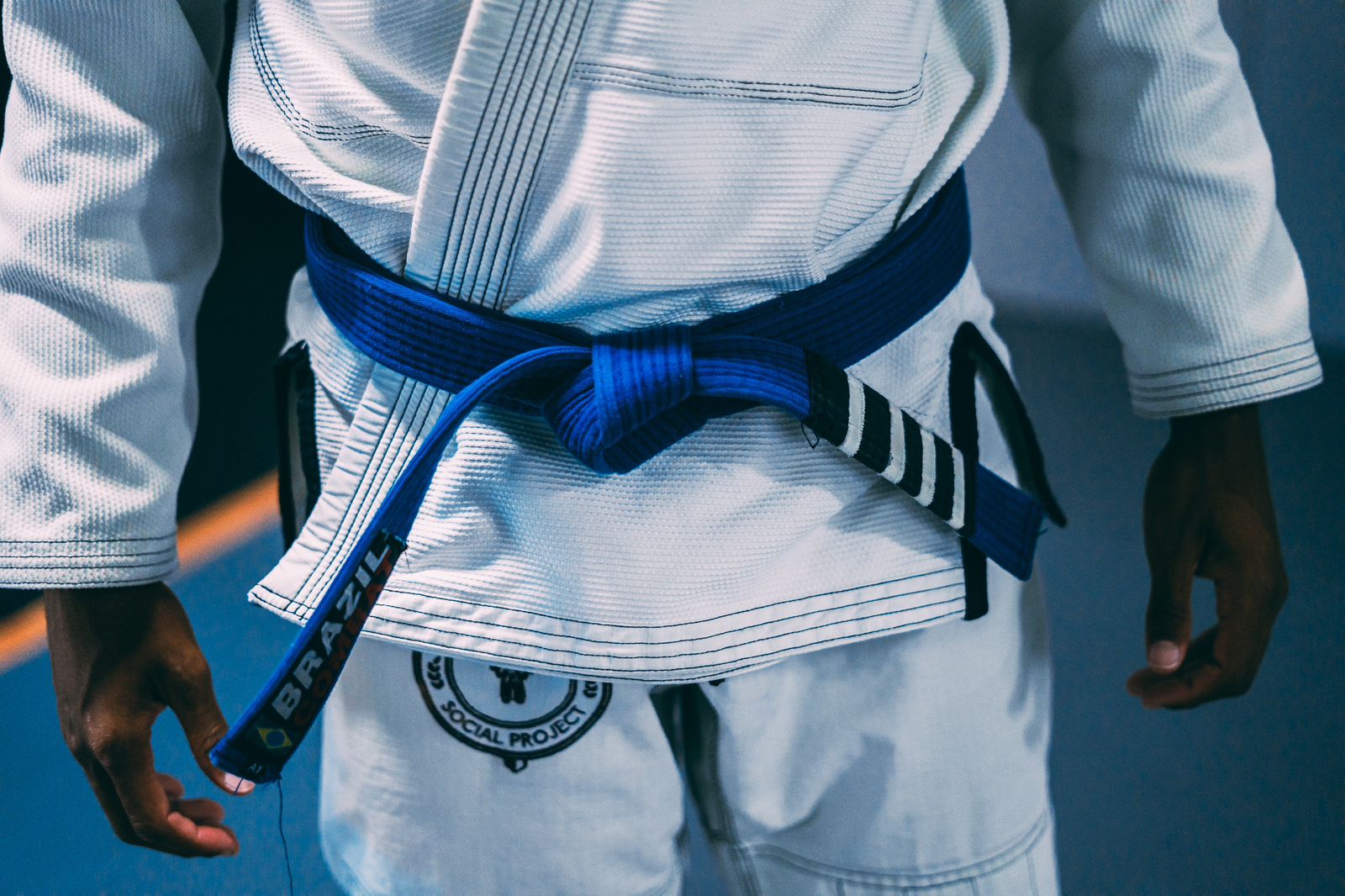
2. The Adult & Teen BJJ Belt System (Ages 16+)
The adult BJJ belt system consists of five primary belts:
White Belt
The starting point for everyone.
White belts focus on:
- Fundamental positions (guard, mount, side control)
- Basic escapes and submissions
- Safety, movement, and mat awareness
This phase builds the foundation for everything that follows.
Blue Belt
A major milestone — and often the most talked-about belt.
So, what is a blue belt in BJJ?
A blue belt understands the fundamentals and can apply them effectively against resistance. They are no longer just learning techniques — they are learning how to problem-solve.
Purple Belt
At this stage, students develop a personal style.
Purple belts:
- Chain techniques together
- Refine strategy and timing
- Begin mentoring lower belts
Brown Belt
The refinement stage.
Brown belts focus on:
- Precision and efficiency
- Advanced concepts
- Teaching and leadership development
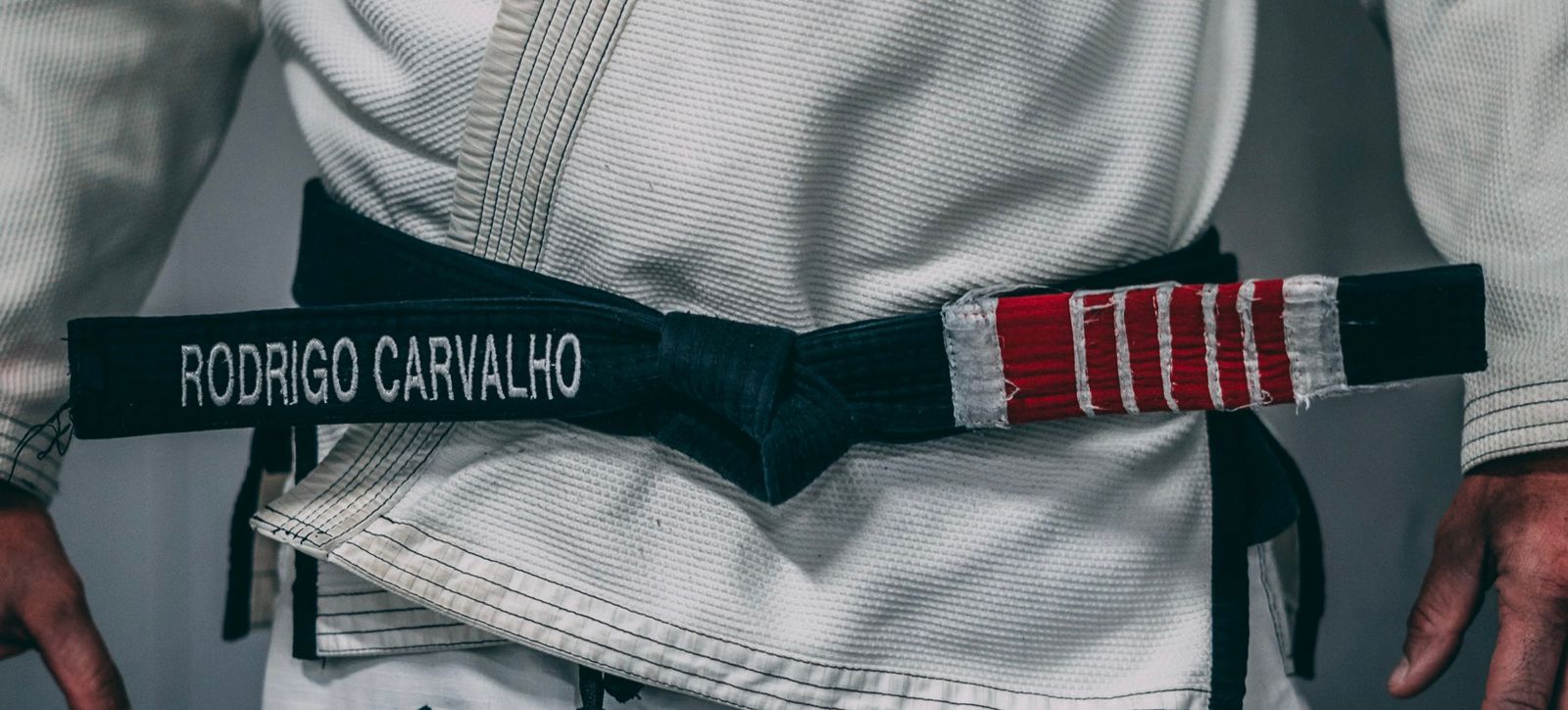
Black Belt
A symbol of deep mastery and long-term dedication.
Achieving a black belt in BJJ often takes 10–12 years or more of consistent training. It represents knowledge, character, and the ability to pass the art on responsibly.
3. The Kids BJJ Belt System Explained
The kids BJJ belt system is completely separate from the adult system and is designed to match a child’s physical, emotional, and cognitive development.
Kids progress through belts such as:
- White
- Gray
- Yellow
- Orange
- Green
Each belt may include stripes to mark progress and keep kids motivated.
Why Kids Have More Belts
Children grow and change quickly. The kids belt system:
- Encourages confidence
- Rewards consistency
- Keeps learning fun and structured
When a child reaches the appropriate age, they transition into the adult belt system based on skill level — not automatically into a higher adult belt.
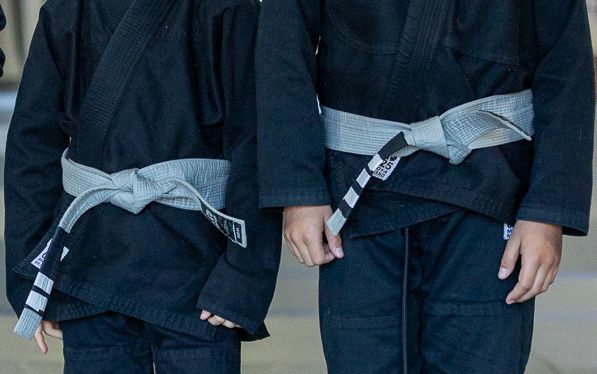
4. What Do Stripes Mean in BJJ?
Stripes are small markers of progress placed on a belt. They show:
- Improvement within the current belt
- Consistency and effort
- Understanding of key concepts
Stripes are especially important for kids, as they provide regular positive reinforcement between belt promotions.
5. How Long Does Belt Promotion Take in BJJ?
One of the biggest misconceptions is expecting fast promotions.
In reality:
- There is no fixed timeline
- Progress depends on consistency, mindset, and development
- Promotions are earned, not requested
At AKXE Academy, instructors evaluate:
- Technical progress
- Attendance and commitment
- Attitude and respect
- Ability to apply skills safely
This ensures promotions are meaningful and deserved.
Students who earn their belts through real effort develop stronger skills and a deeper respect for the art — values that extend far beyond training.
What Parents Should Know
For parents, it’s important to remember:
- Every child progresses differently
- Comparison slows growth
- Consistency matters more than speed
The belt is a milestone — but the real reward is improved focus, discipline, confidence, and resilience.
The AKXE Academy Approach to Belt Promotions
At AKXE Academy, promotions are:
- Transparent
- Consistent
- Based on individual growth
Our goal is not to rush students forward, but to prepare them properly for each stage of their journey — whether they train for self-defense, competition, fitness, or personal growth.
Understanding the Journey, Not Just the Belt
The BJJ belt system exists to guide students — not pressure them. When families understand how it works, training becomes more enjoyable, motivating, and sustainable.
Brazilian Jiu-Jitsu is a long-term journey, and every belt earned represents real progress, both on and off the mat.
At AKXE Academy, we’re proud to guide students and families through that journey — one stripe, one lesson, and one class at a time.

Leave A Comment